SIDAS The Feet Experts!
SIDAS is the story about 26 bones, 25 muscles, 30 joints and 50 ligaments. In a word: the foot. Until 1975, when the company was created, little attention was paid to the athlete’s feet. Three ski instructors who wanted to improve their alpine ski boots’ comfort had to have them customized. Specialized in soles (but not only), SIDAS puts their expertise at the service of all sports, for comfort, prevention and performance. Test4outside.com visited the parent company where R&D and production design tailor-made products.
Text and photos: Franck Oddoux / Test4outside.com
Since 1975, the French company SIDAS has grown steadily, reaching several million euros in turnover. It has 109 brands, and works with 10,000 retailers. Developing internationally would not have been possible without being experts on feet to provide their know-how in all sports such as running, cycling, golf and especially outdoor activities …
In sports, everything starts with your feet: support, propulsion, balance, proprioception, dosage, angulation, power and direction. The sole is a choice interface, essential for stabilizing the body or even correcting your stride or avoiding injuries.
FACTORY TOUR
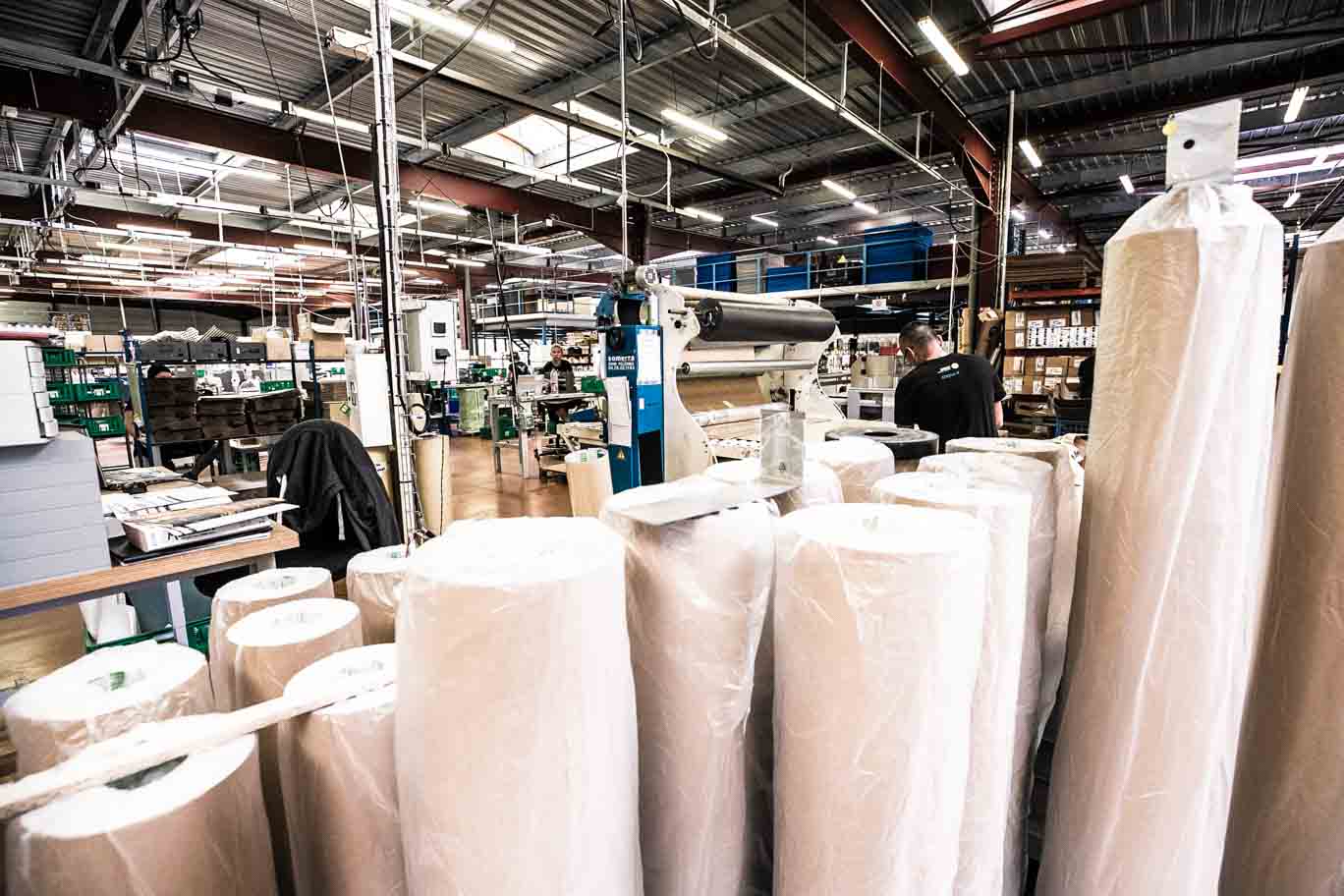
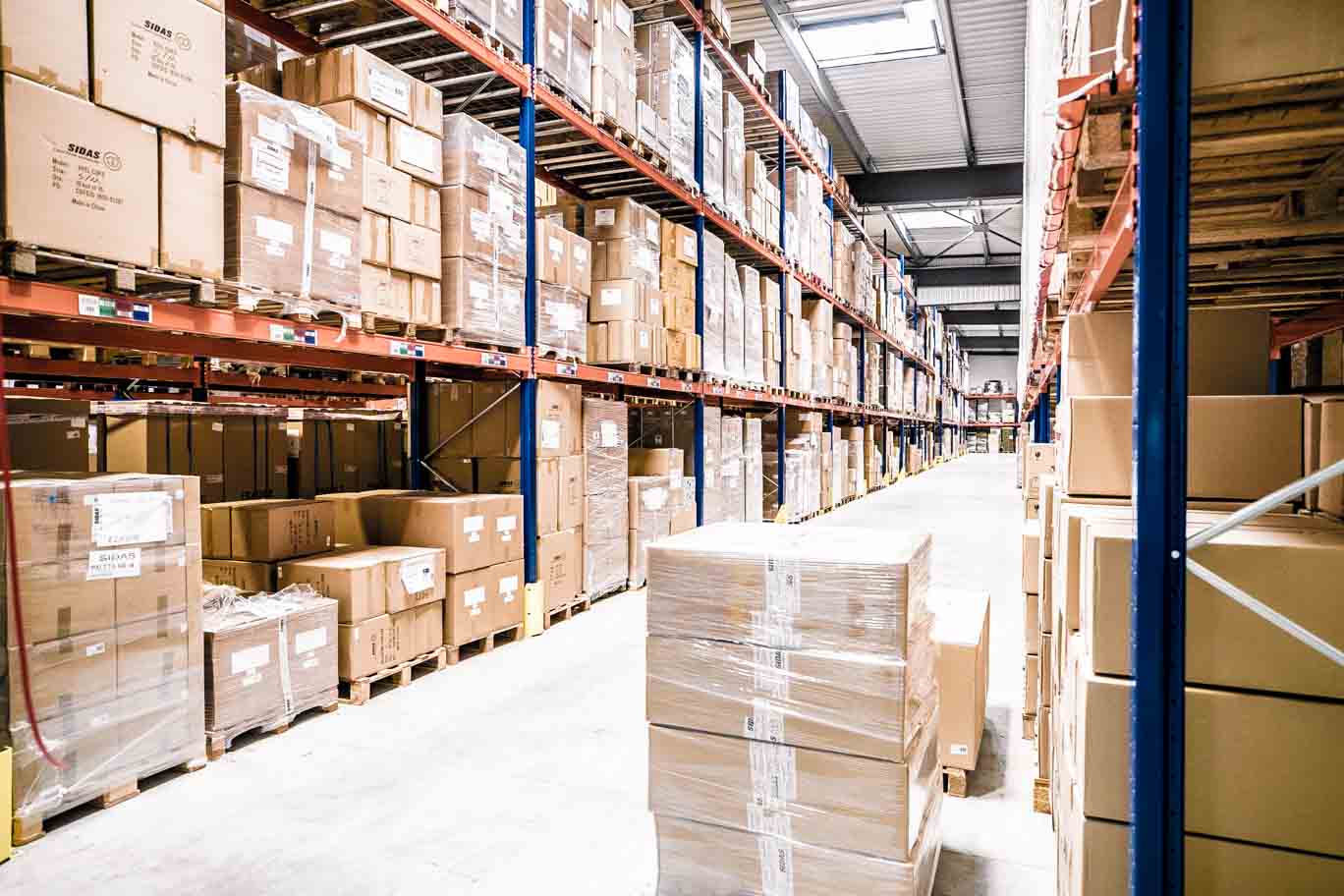
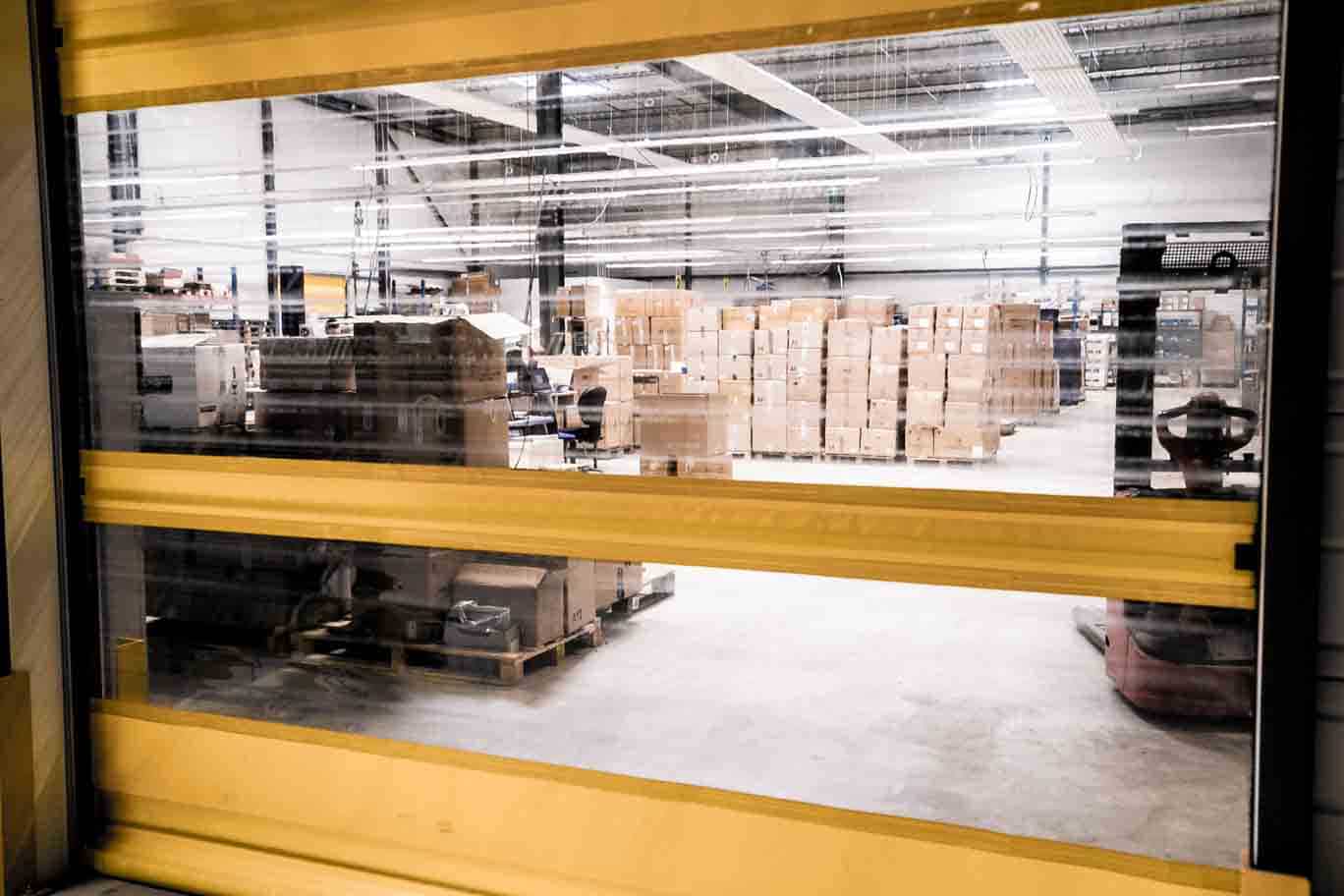
Test4outside.com was able to visit SIDAS’ production center and headquarters located between Lyon and Grenoble. We had already discovered these premises thirty years ago. The landscape has changed radically, since then other hangars have emerged, production chains have grown, square meters have turned into hectares: SIDAS has become a genuine company with an international dimension. During the fabrication of the soles, we discover a world that’s made up of cutting materials, resins, computer design, women and men in white coats, or smart technicians controlling occasionally mysterious machines. The SIDAS universe has been constructed around a multitude of professions that sometimes seem very distant but nevertheless, all working towards a single mission: the feet’s well-being. We were interested in SIDAS basic activity, making soles for sport. But the brand also designs and/or markets a large quantity of products that all have the same thing in common, feet: Xsocks socks, Therm-IC heating products, feet protection, care products, podiatrists’ equipment and retailers, etc.

CUSTOMIZATION
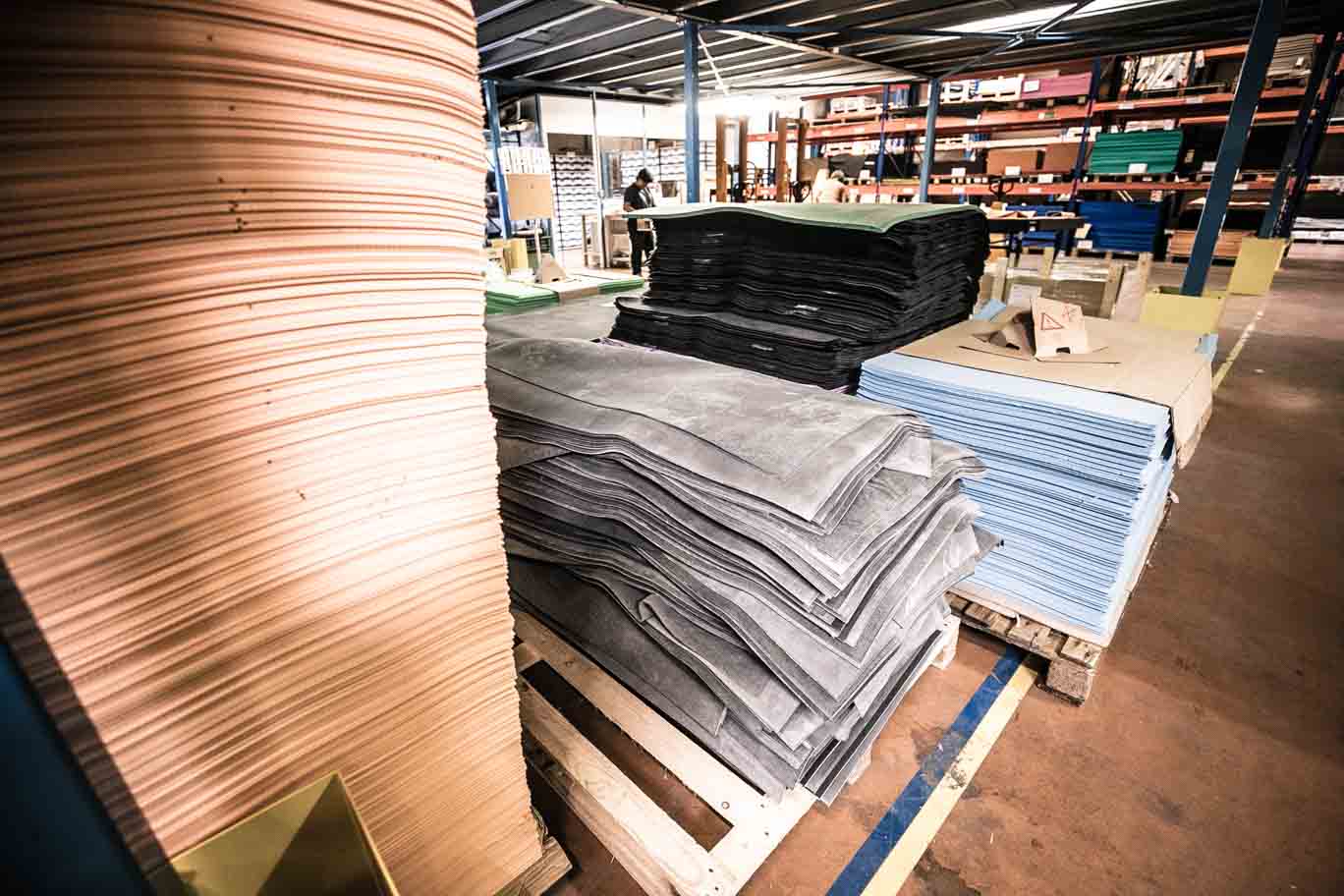
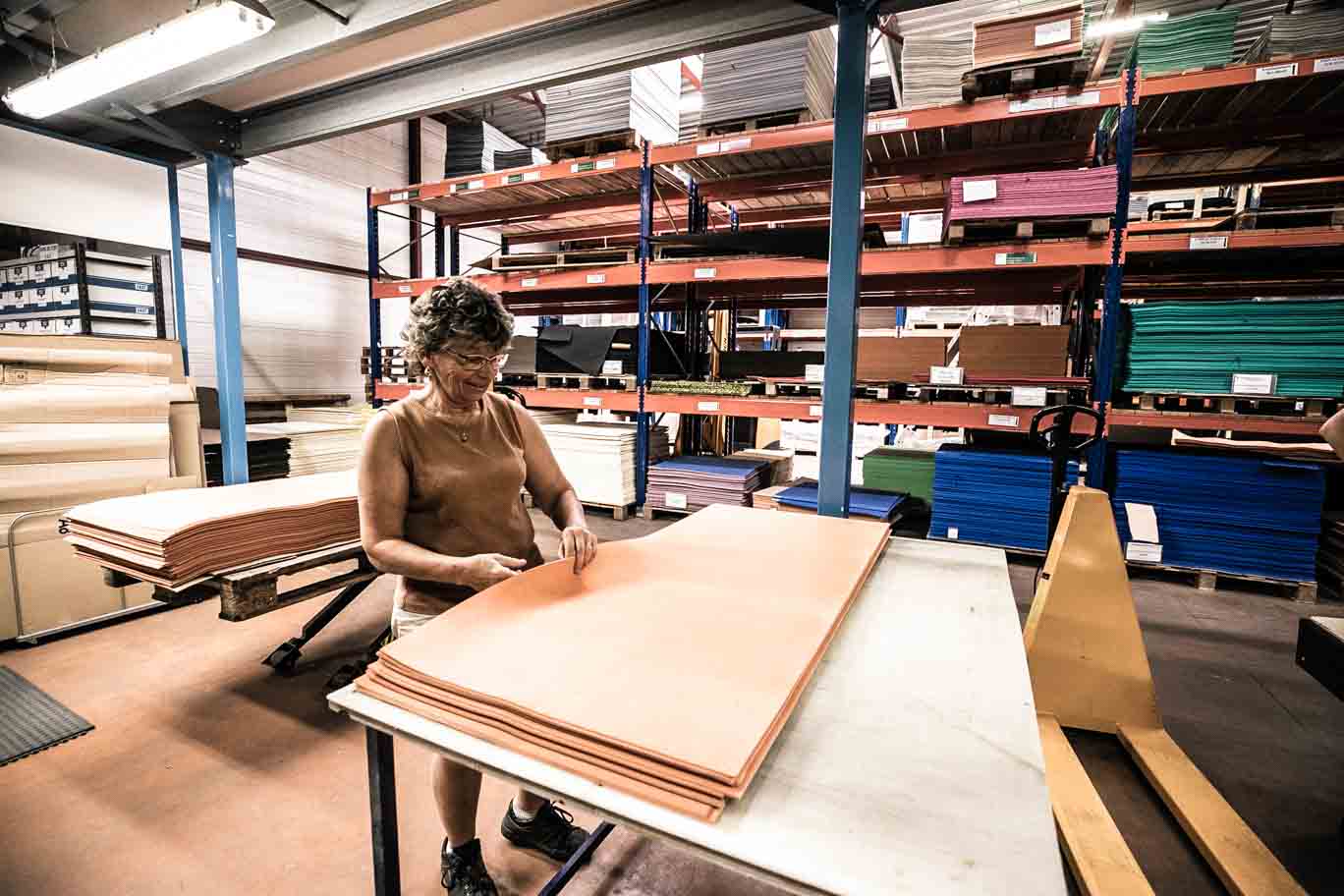
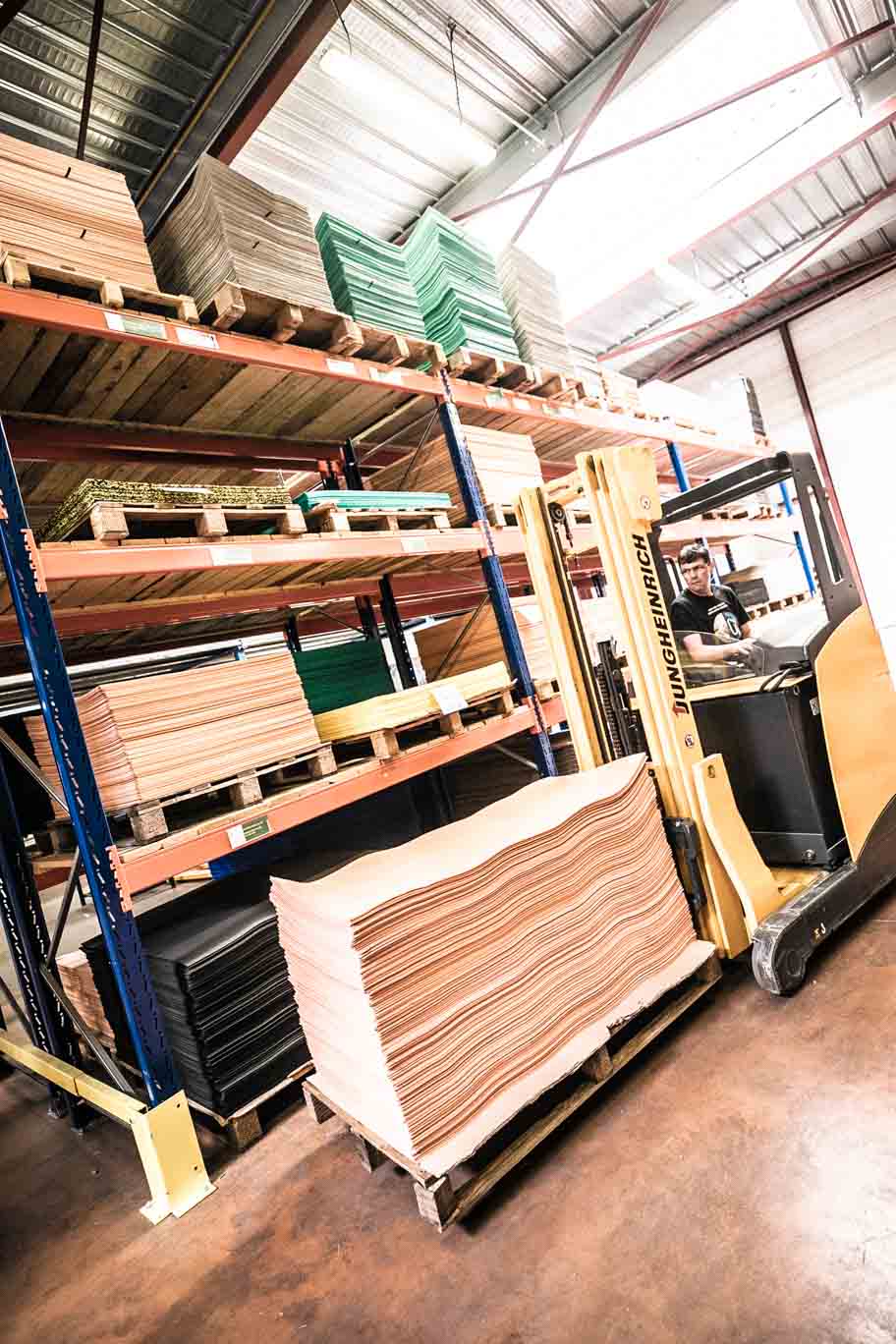
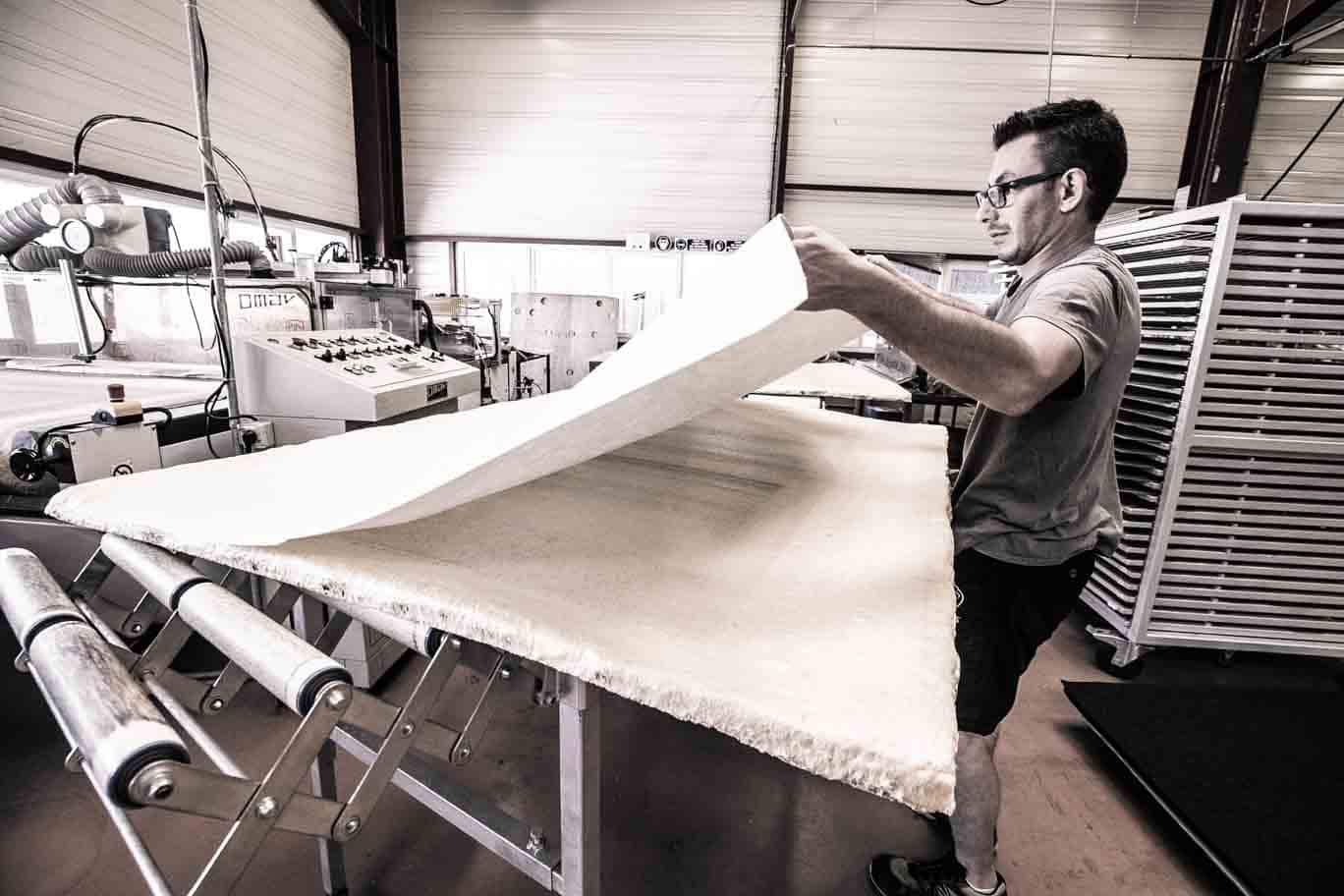
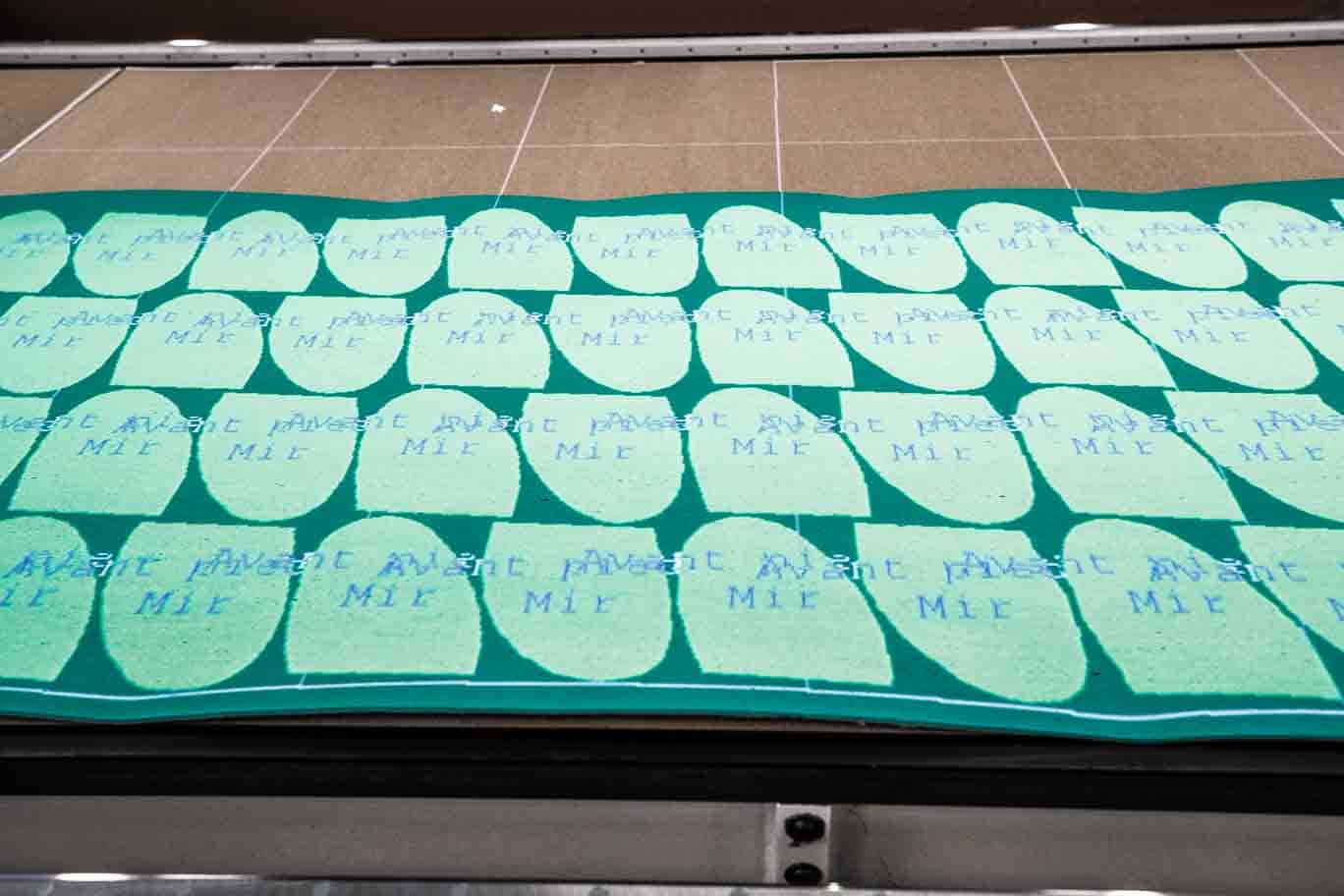
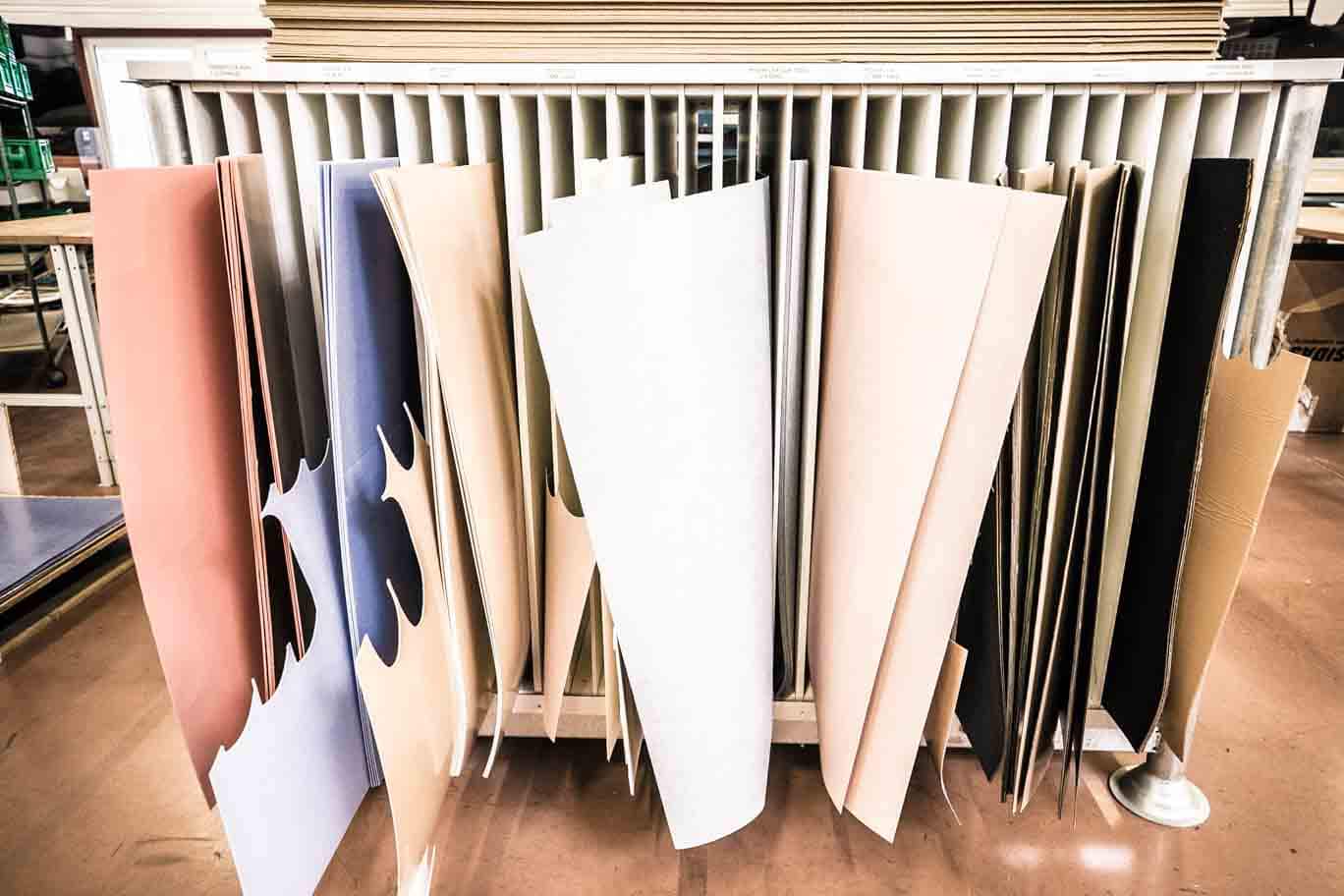
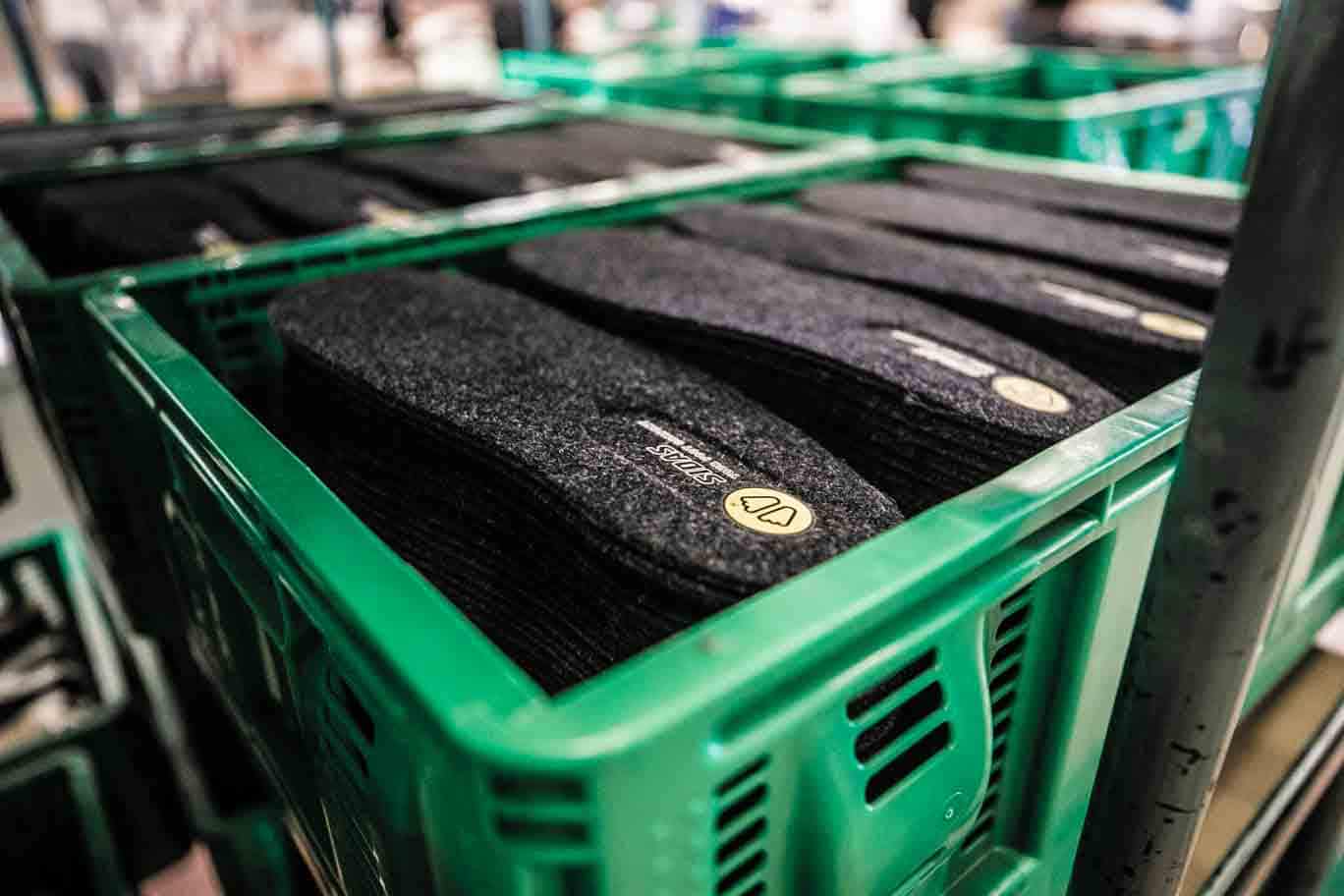
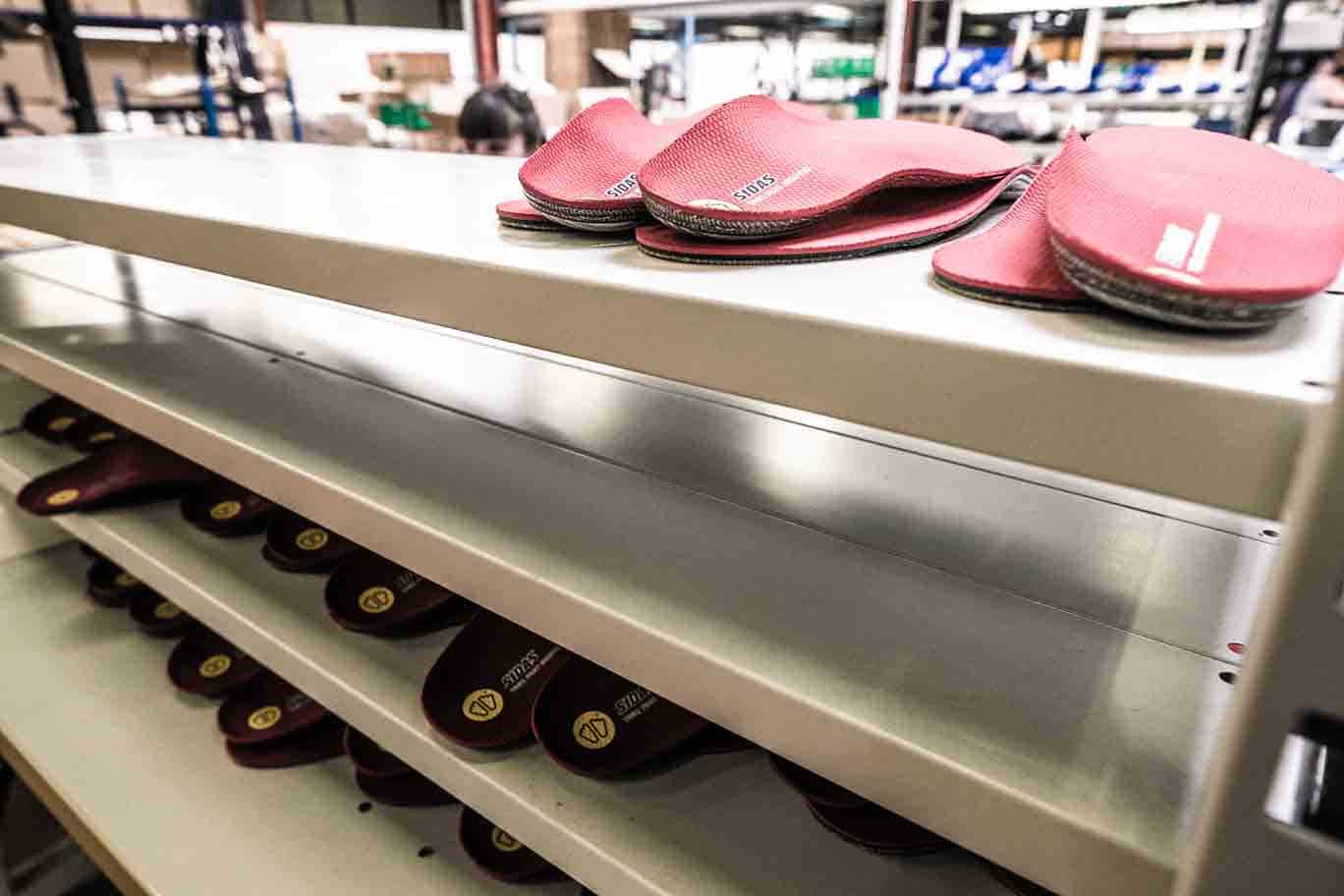
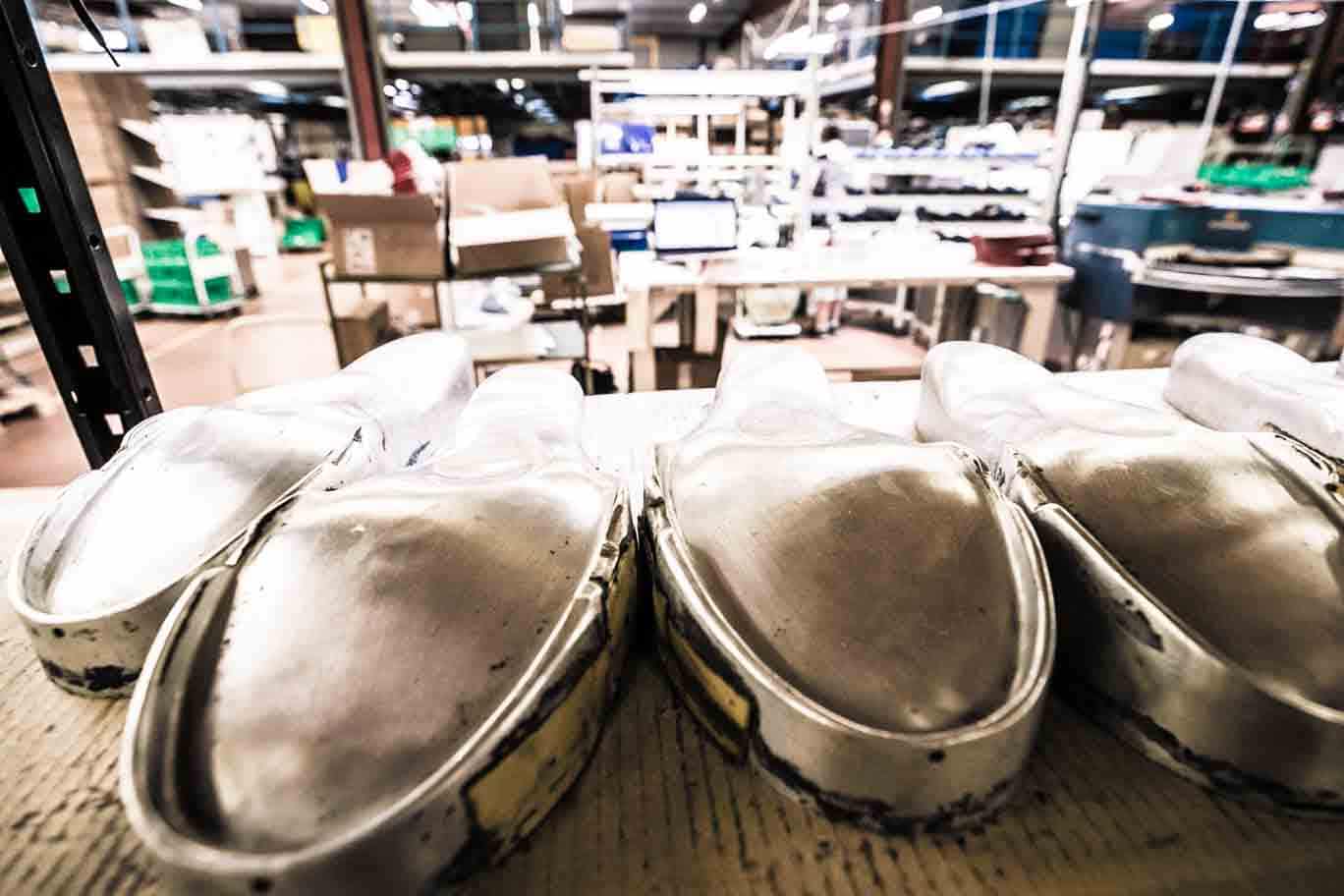
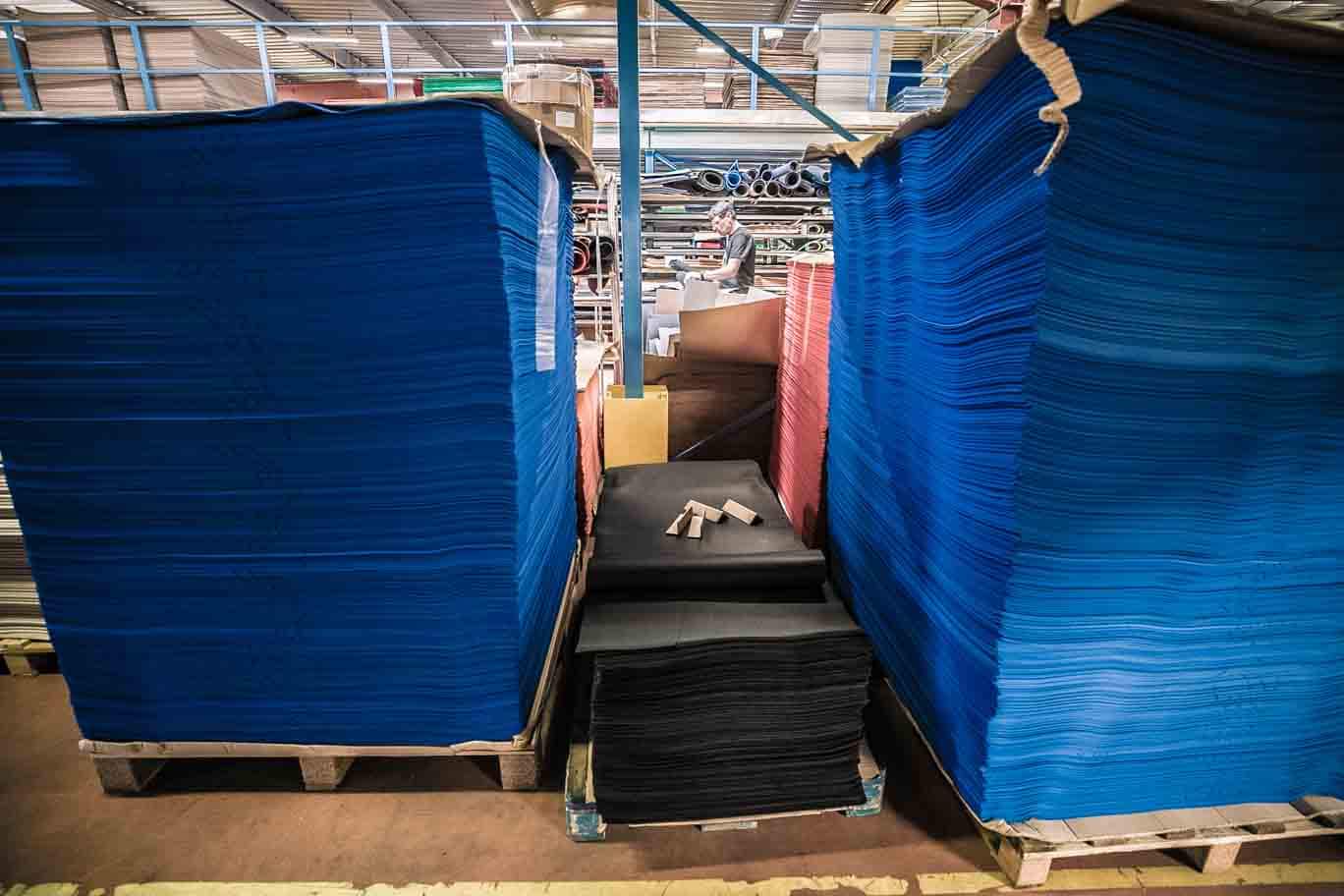
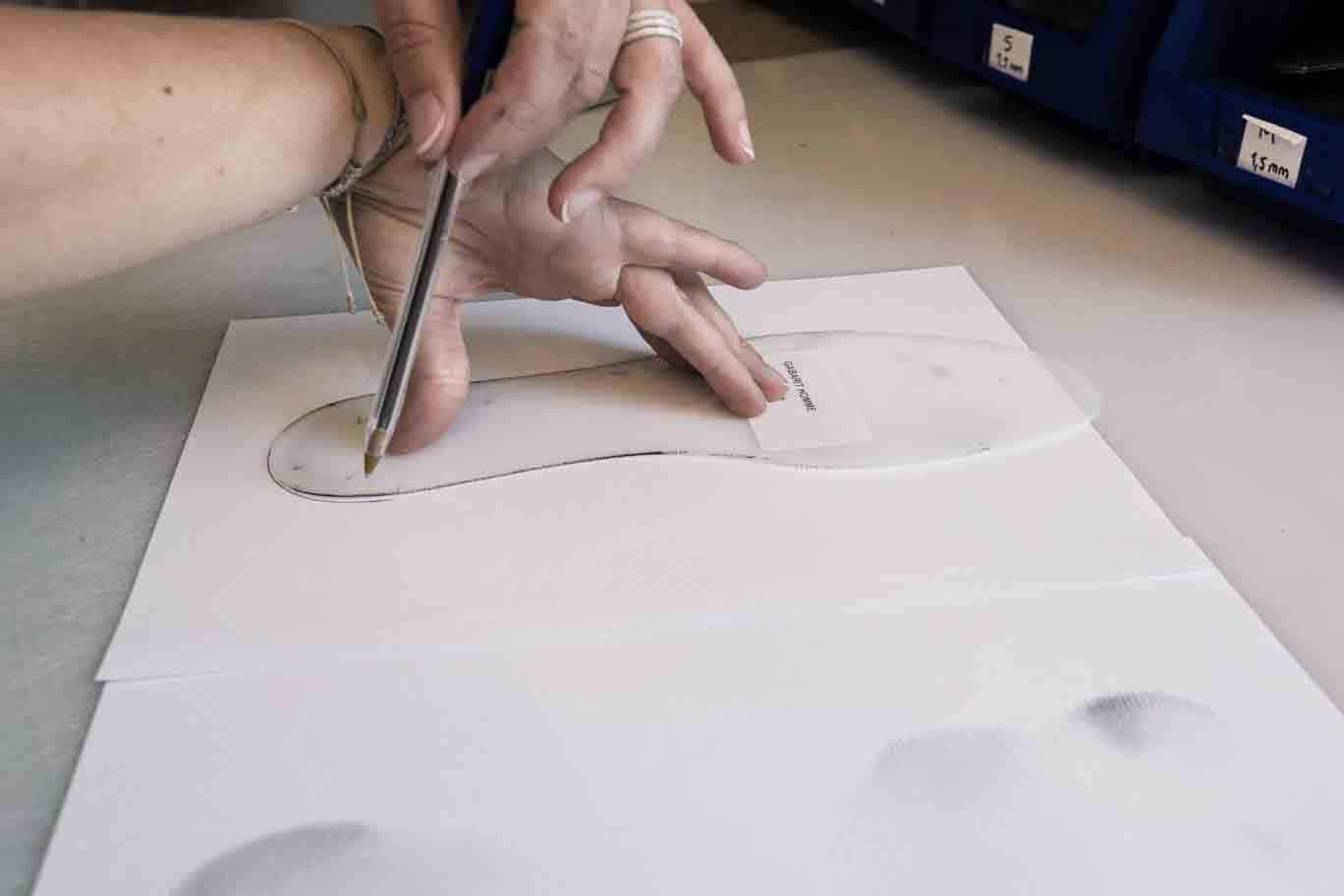
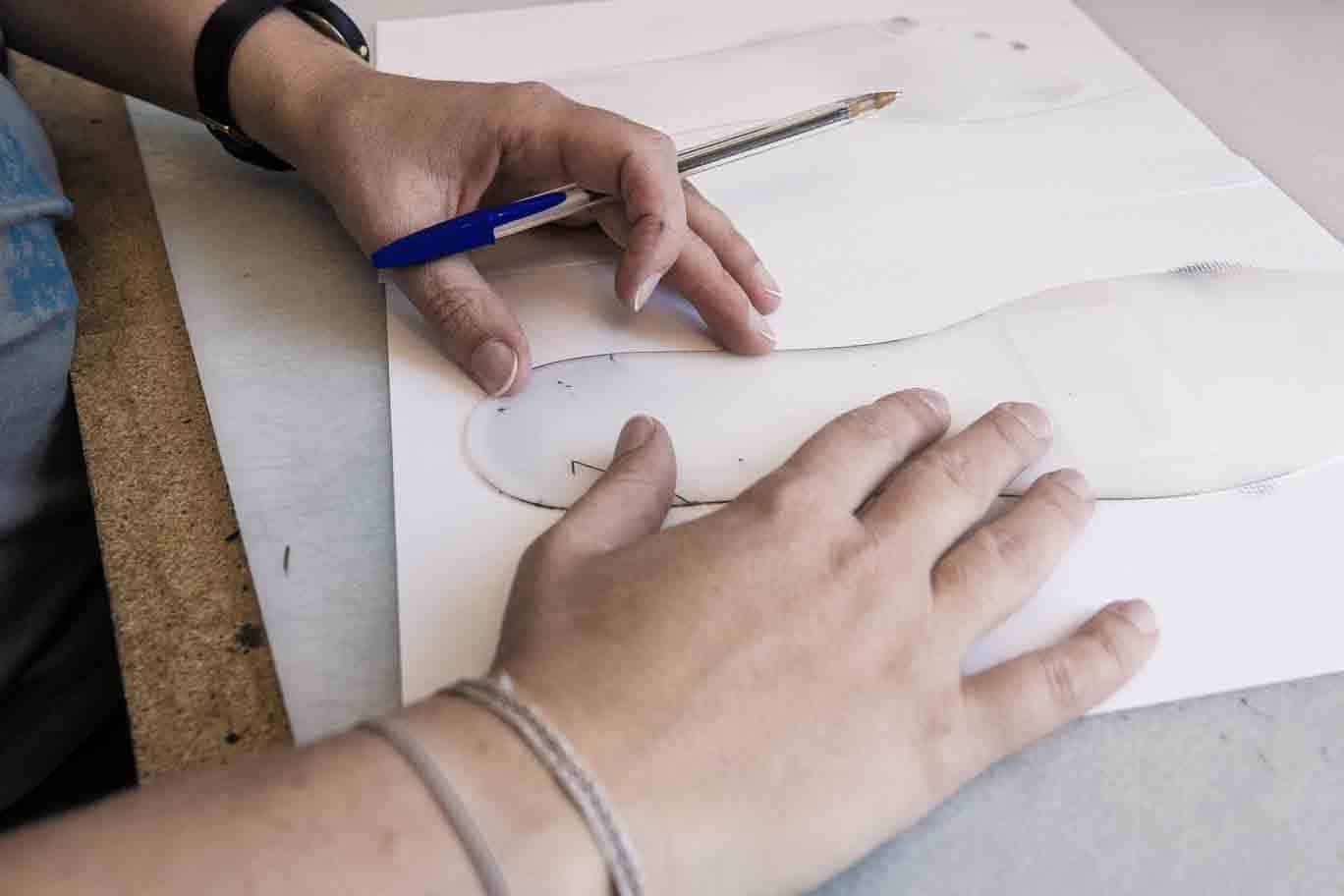
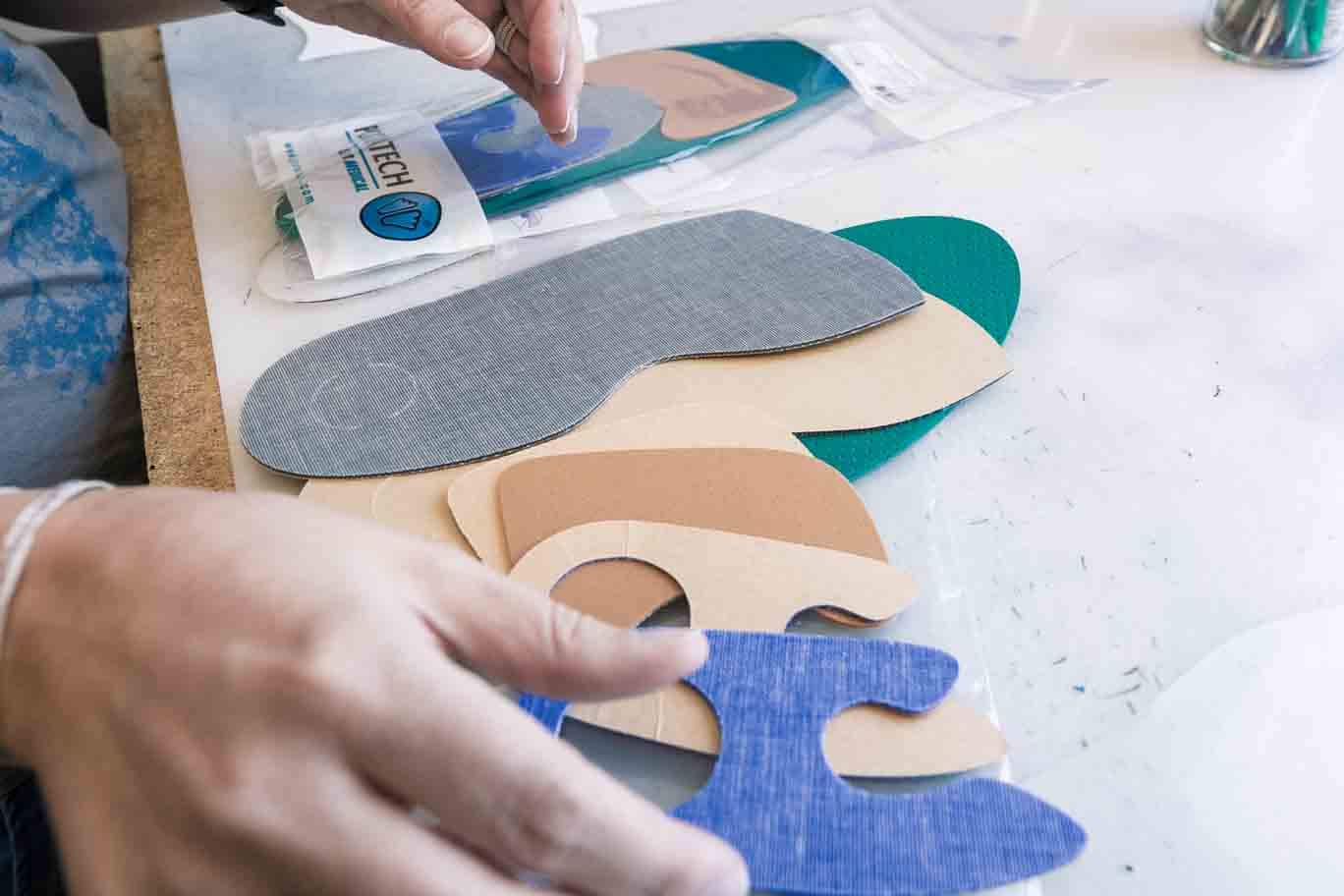
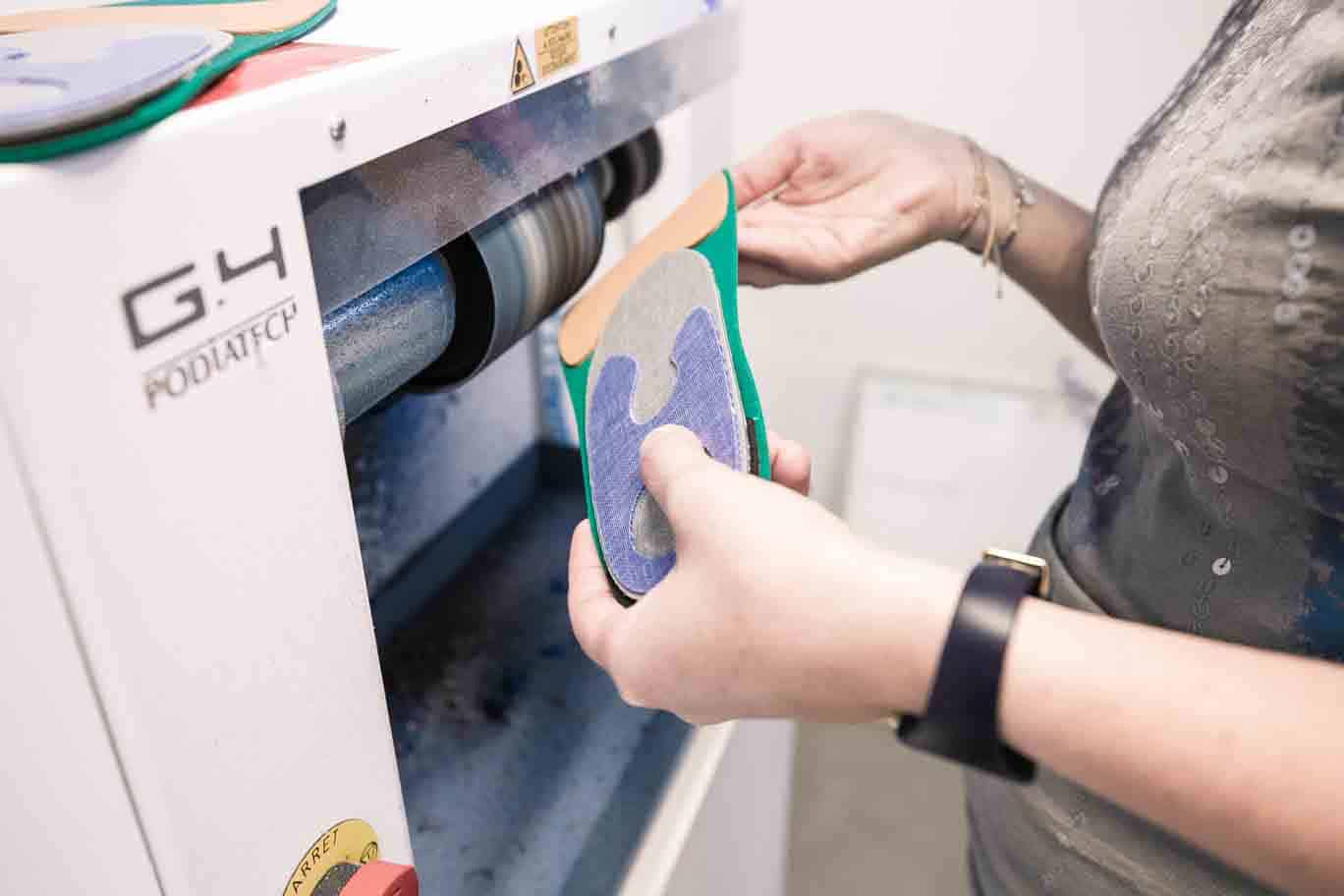
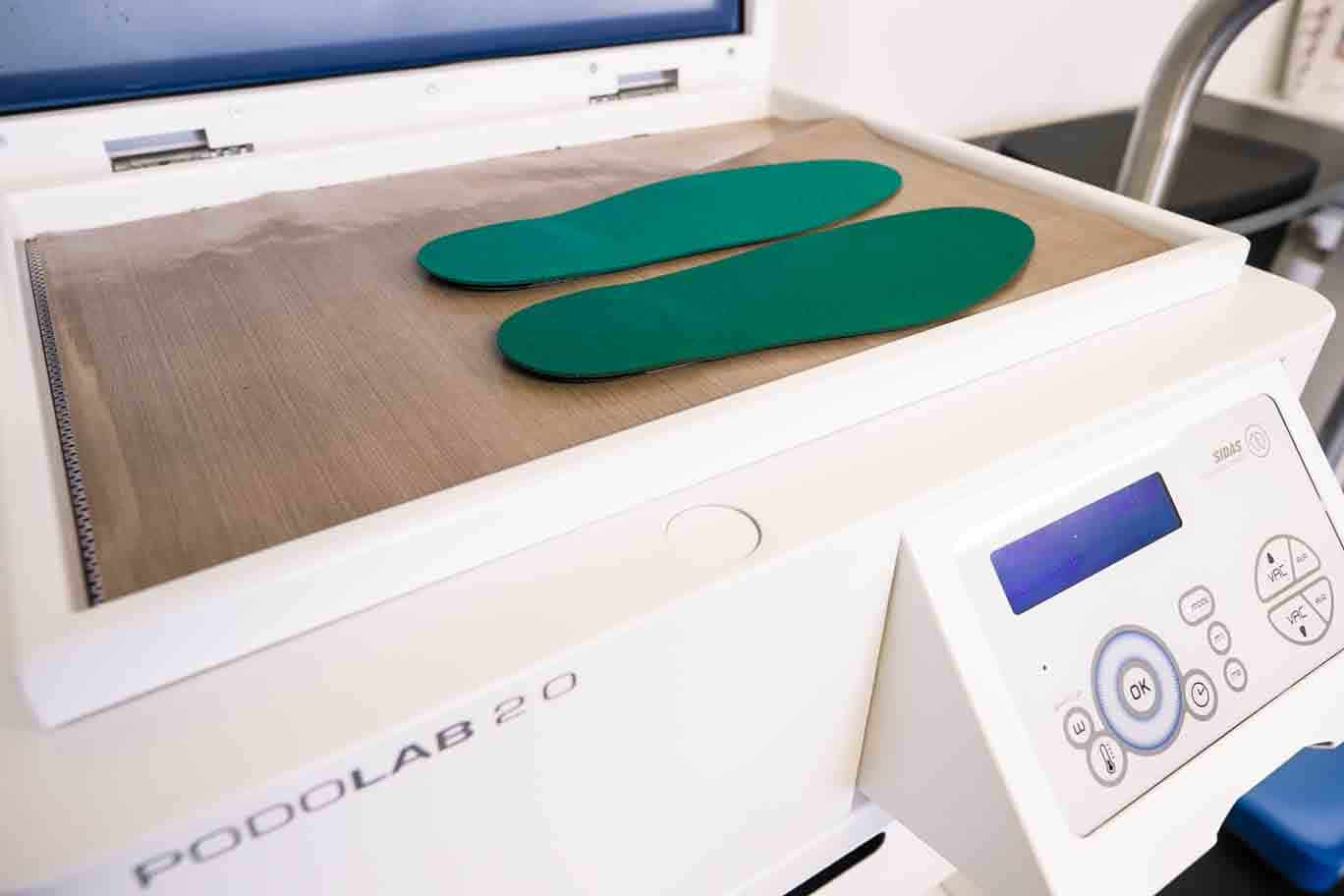
The stocks of materials are as many as a thousand multicolored sheets. These plates are the base for top quality soles intended for sport or medical use (Podiatec is the medical branch of SIDAS). Large productions of gel-based, or preformed soles, are made in Asia or the Maghreb. In France we focus on small series for sports stores or podiatrists. All these soles are the subject of special attention, they are redesigned, reheated, molded and adjusted to the client’s foot while the other products (gel or thermoforming) are ready to wear.
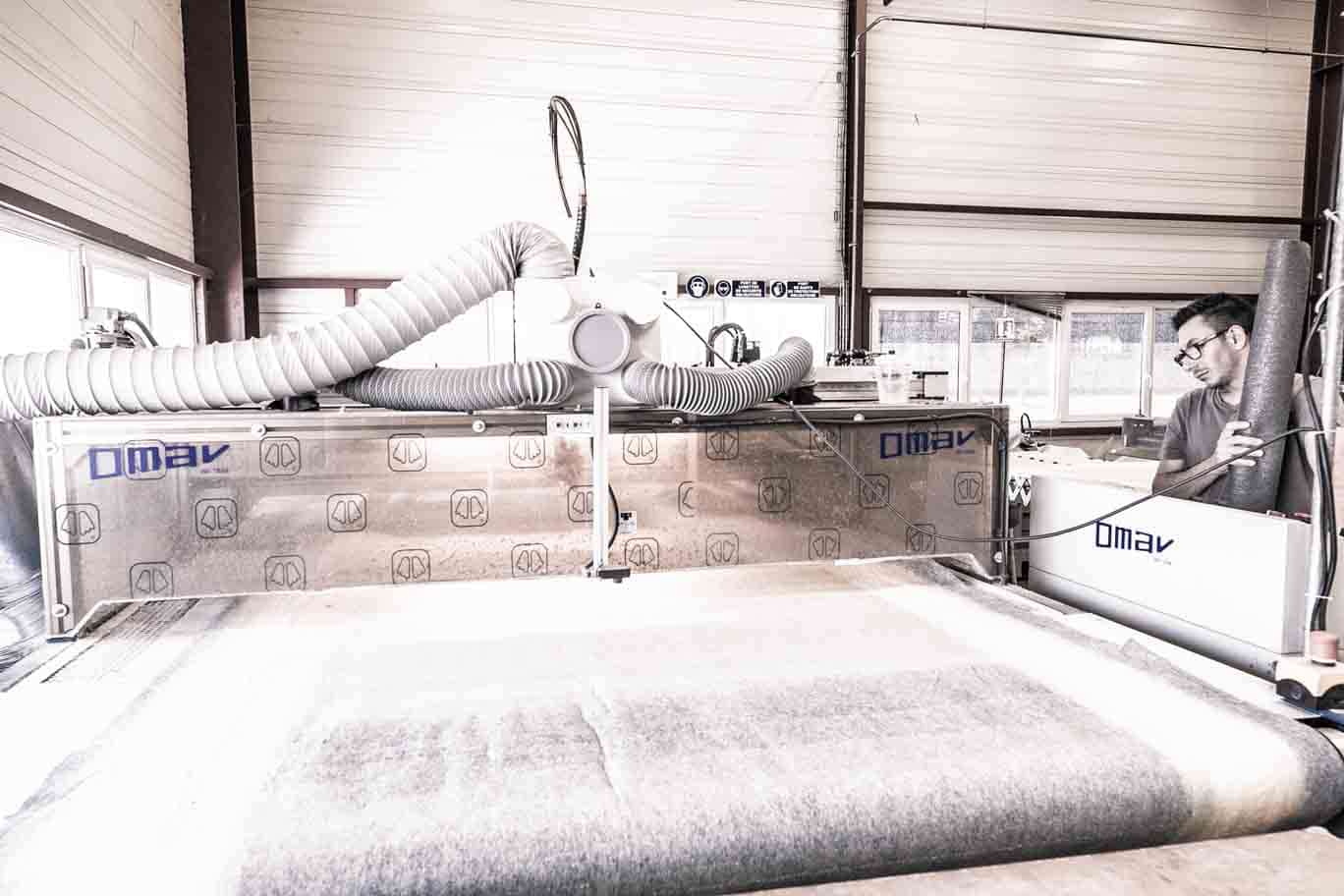
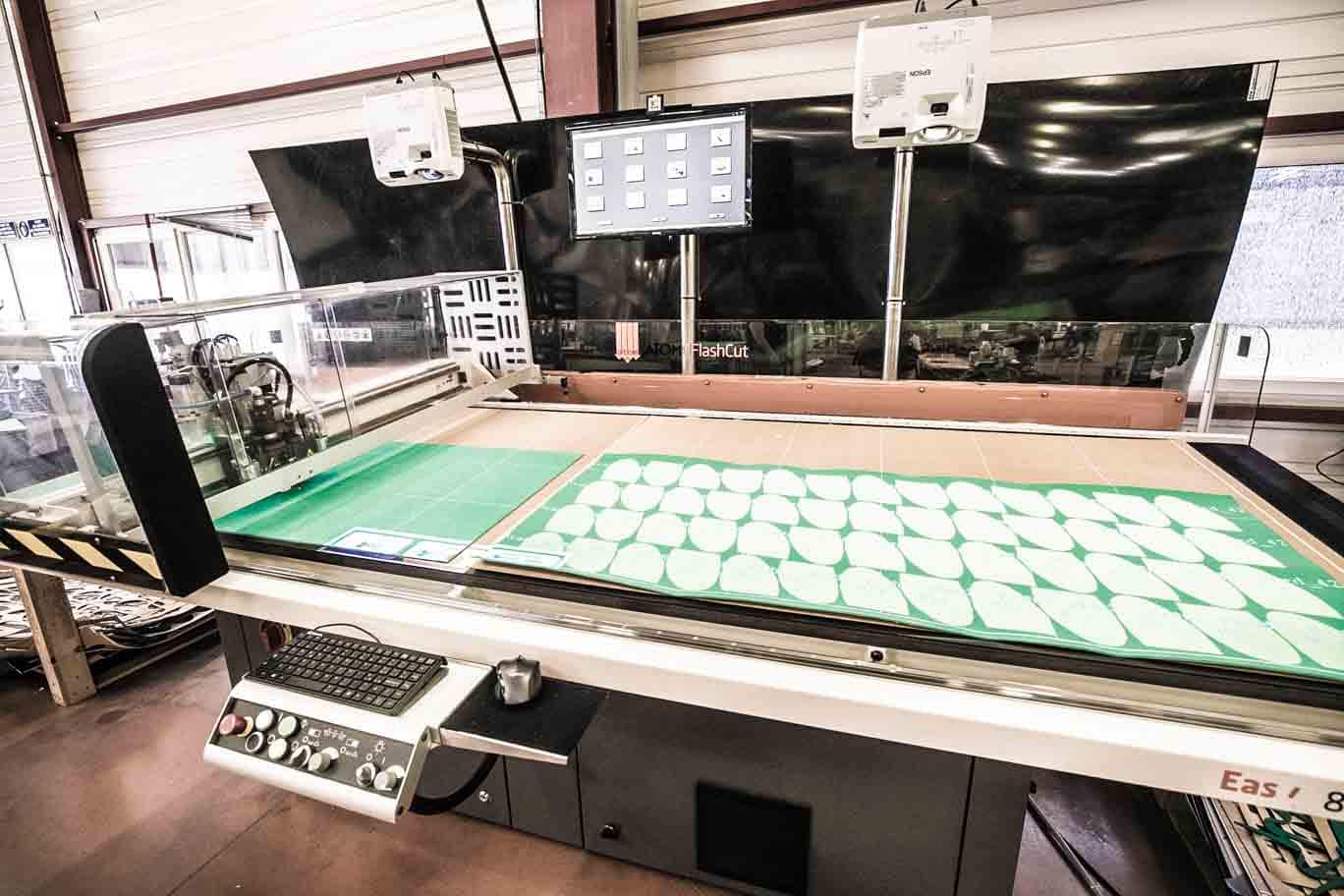
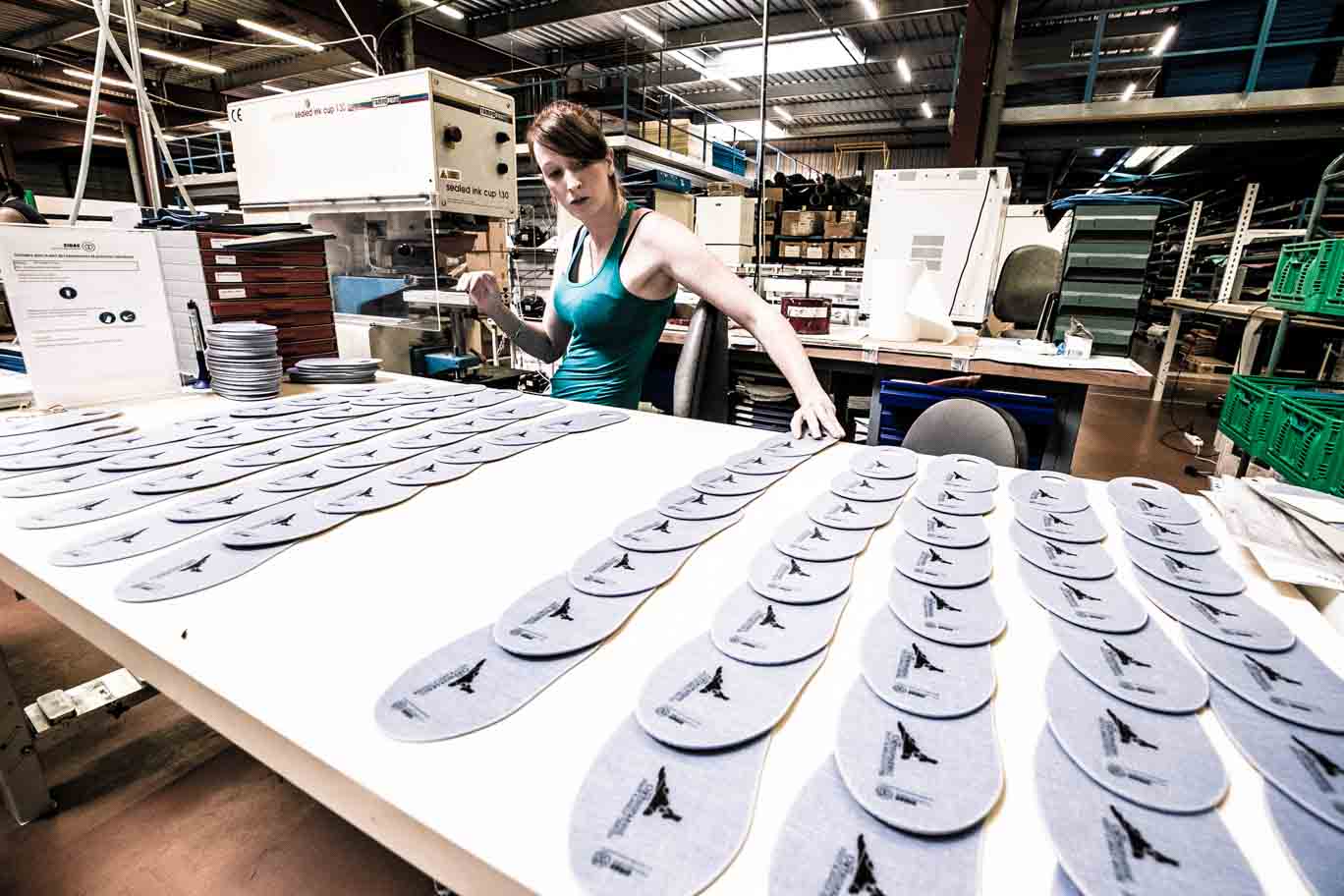
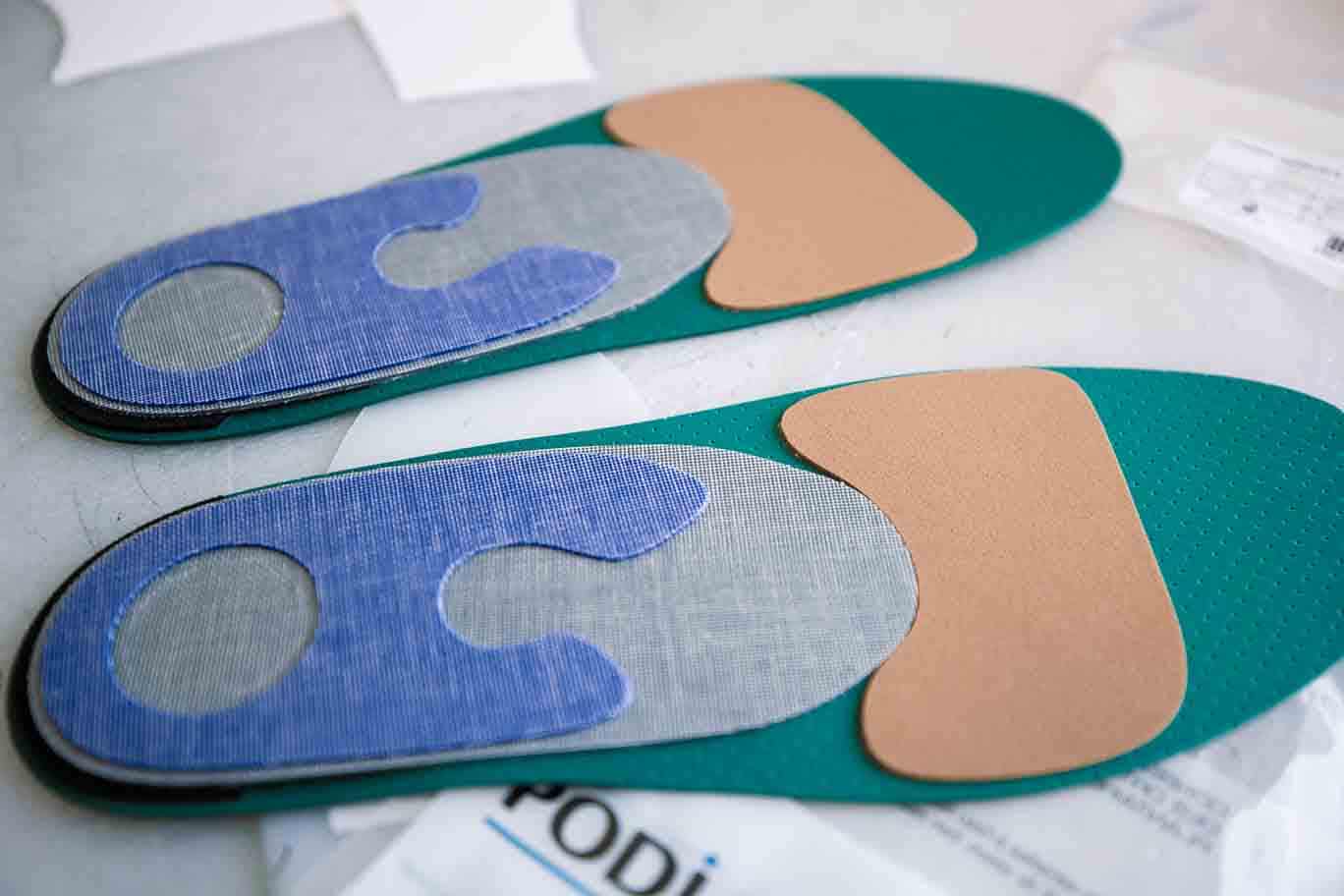
The huge rolls of material are cut into plates on which other laminated materials are assembled. You obtain complexity. Then you cut to the foot’s shape. This is what’s so marvelous about doing small series, which must adapt to specific requests. SIDAS is able to respond to manufacturing requests from a thirty-pair minimum. What is striking is the number of operations that are done by hand. For the most technical sole, there are eleven interventions to assemble the eight different materials heated to 80 degrees. The peak of production takes place in summer in order to be able to deliver winter products to the USA, Canada, and Europe. But winter manufacturing, which at the outset of SIDAS, represented 70%, has now been exceeded by summer orders: they are constituted of running and the outdoors in general.
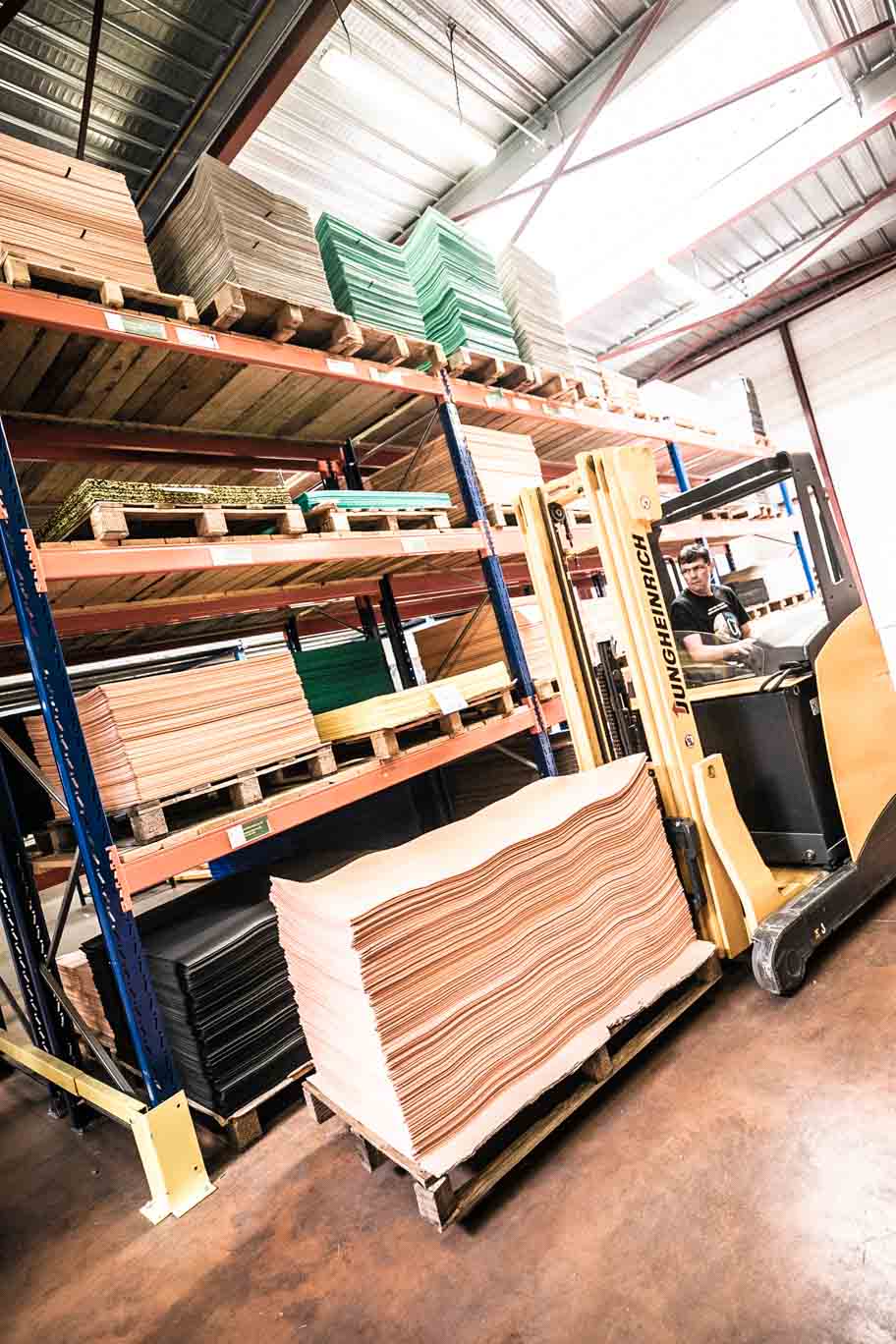
All these soles are the result of 40 people’s research and development and 70 in production. They are the basis of a personalized product that can respond to individual problems: prevention, correction, and performance research. We saw above that they are delivered either to retailers or to podiatrists.
RUNNING SOLES
We were fortunate enough to be led by a SIDAS expert in order to create a tailor-made sole (from the products we saw in the production center). This is the opportunity to take stock of this sometimes unknown product and to kill off certain prejudices. First of all, 80% of the population has pronator feet, therefore, it’s not up for analysis and anyway not the most relevant criterion, even if some shop vendors continue to speak only about pronation ting. Each athlete could have a sole that isn’t designed with the same aim in mind. You can target performance, like Martin Fourcade, number one in biathlon, or prevention for example, where you want to intensify your practice: go from two hours running per week to six with the desire to run a marathon, without suddenly suffering from tendonitis.
LOWER LIMBS ANALYSIS
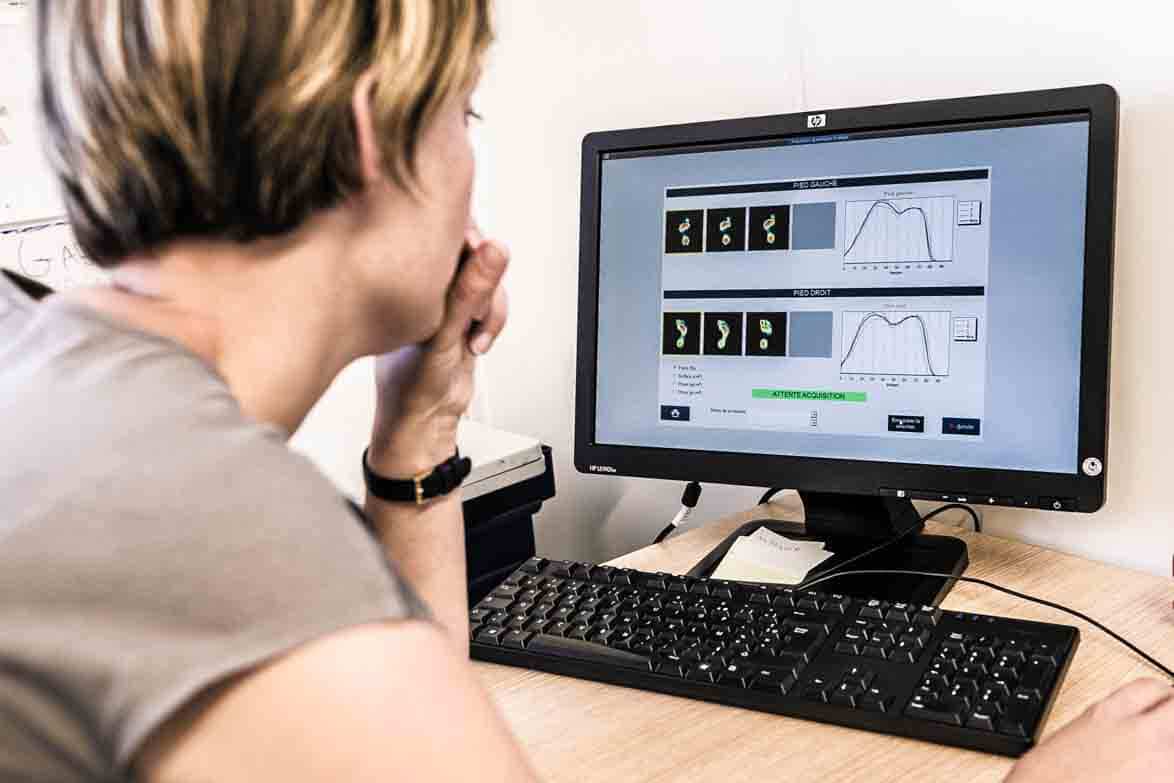
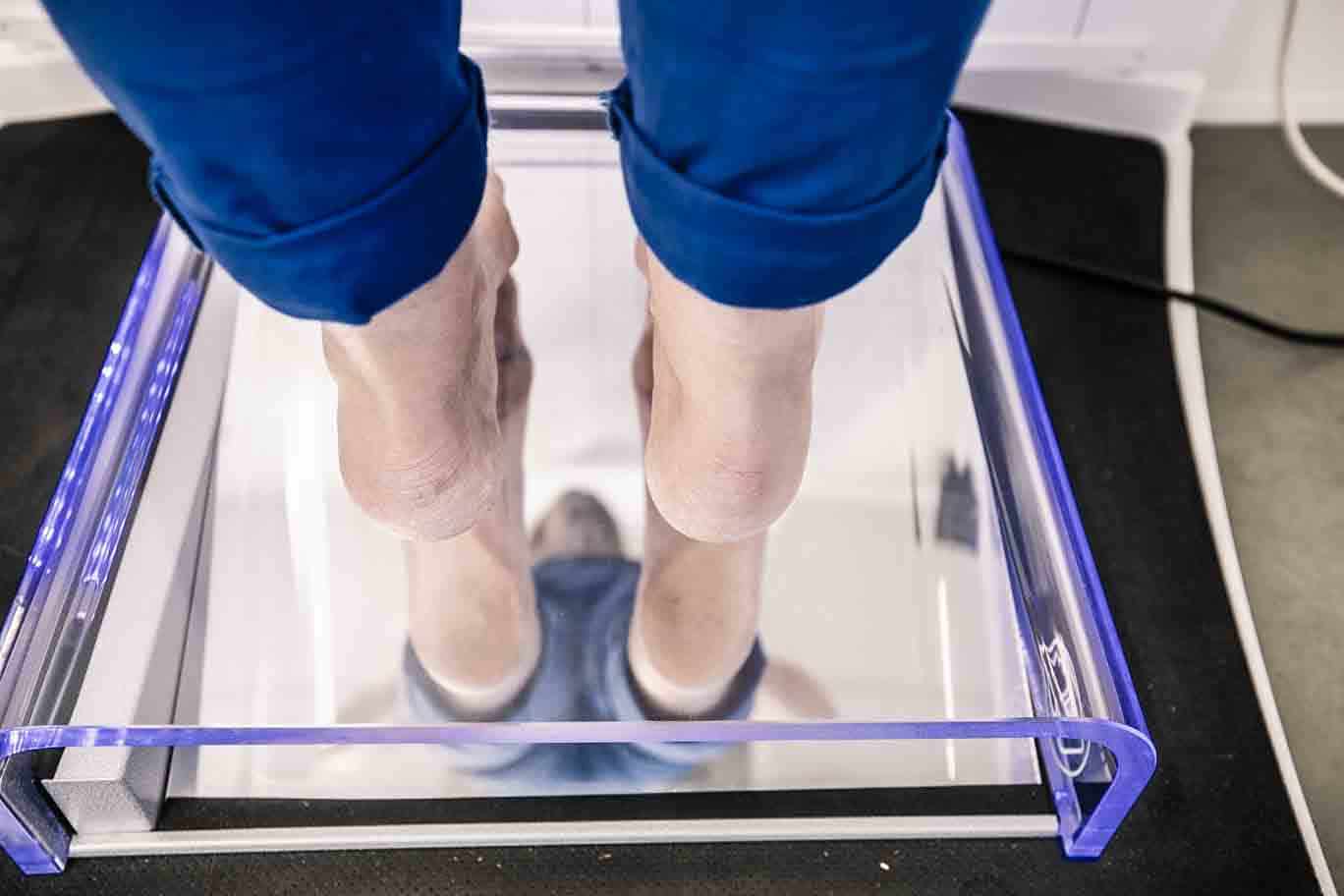
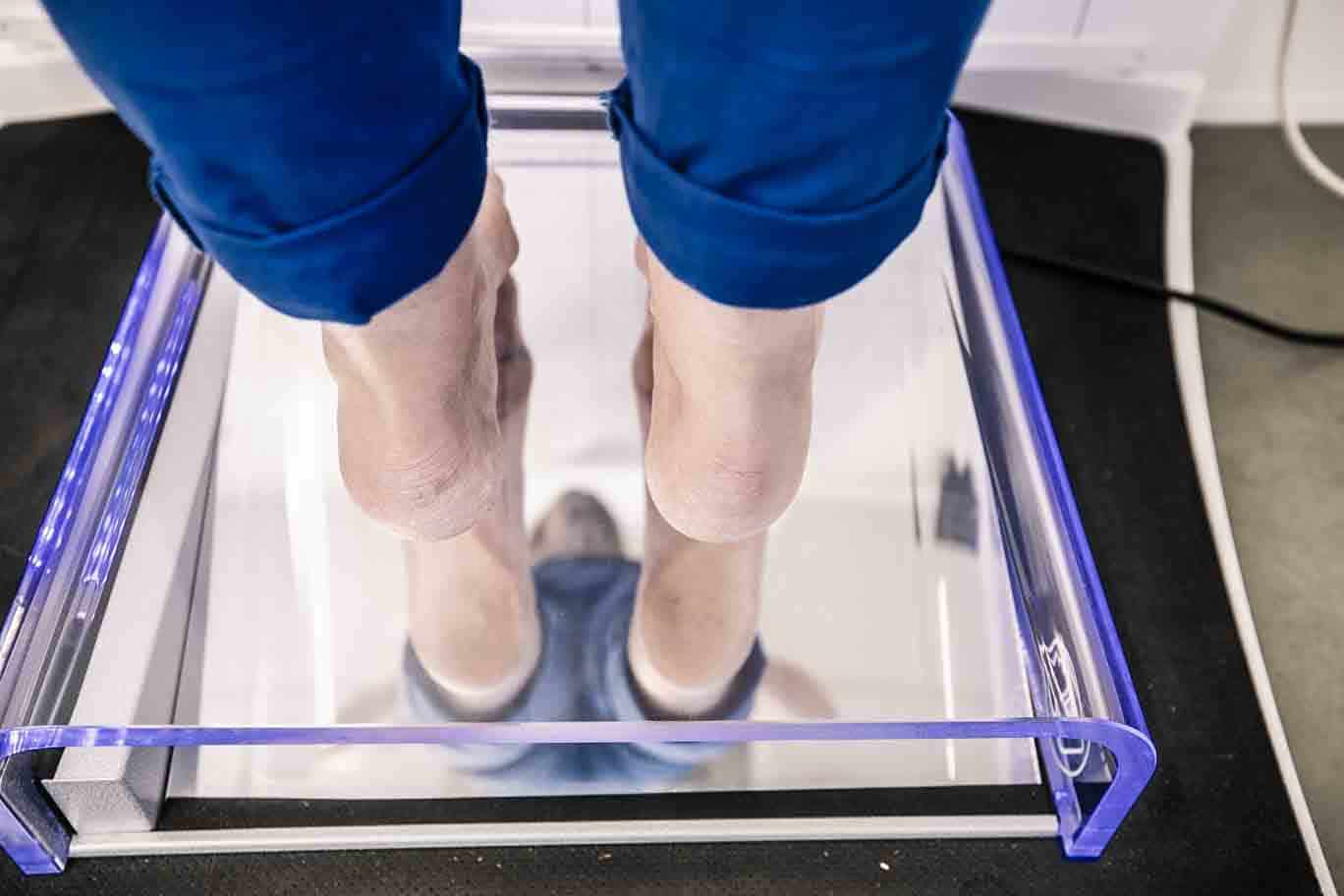
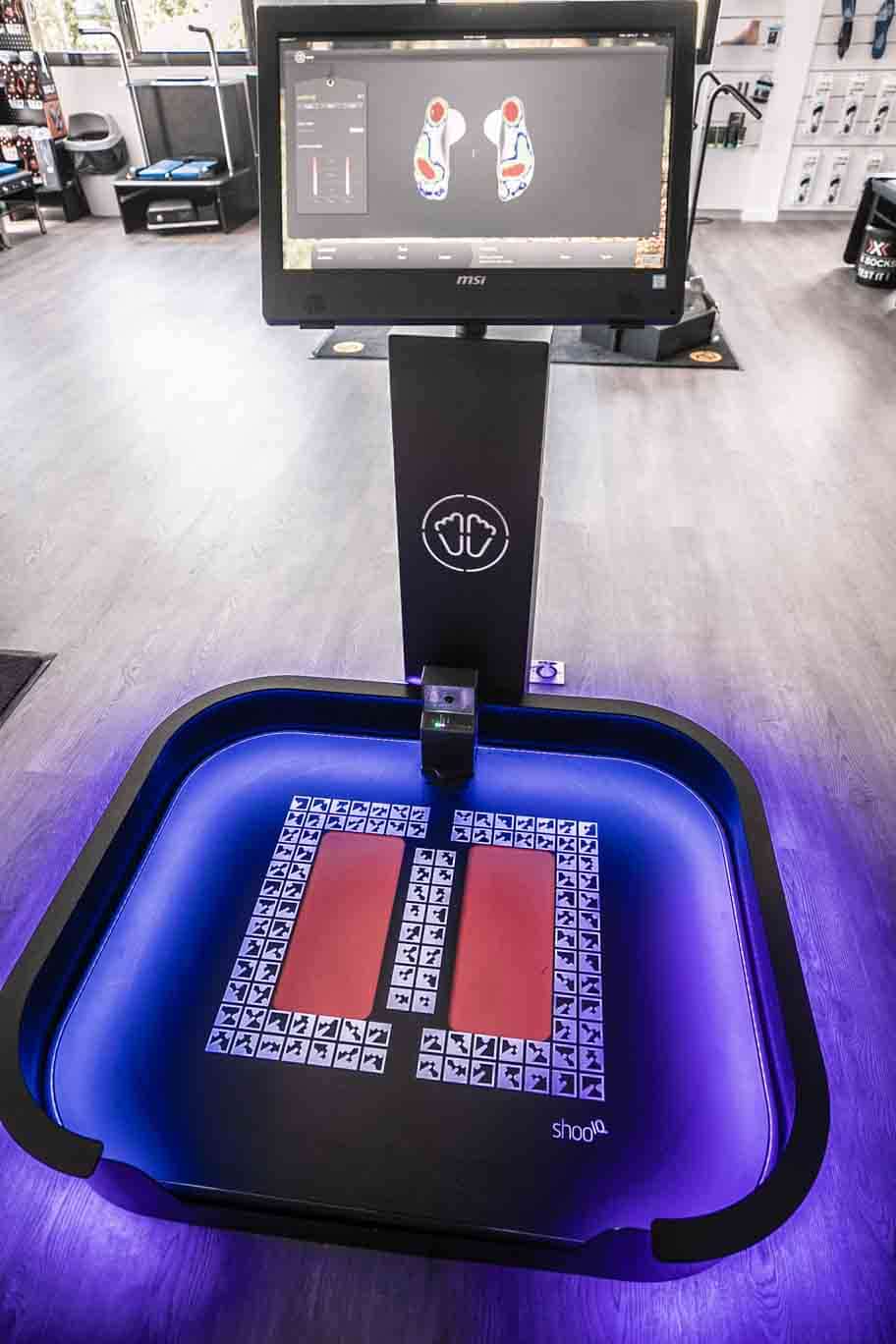
Almost any athlete should have a preventive sole because regular practice does generates micro-trauma. In a customization approach, first you do a postural examination, both static and dynamic. In our case, this analysis was carried out at the SIDAS orthopedic sports center. Many runners have one leg shorter than the other, one knee that bends more, an ankle with slight deviation, etc. The sole’s purpose is to correct it. Going on the podoscope and then the pressure platform makes it possible to analyze your overall posture, to identify the pressure points, and your center of gravity. You also walk, or run, on a treadmill to define your dynamic stride.
The data is computer processed and now, after the diagnosis, the sole can have its final shaping.
THE COMFORT ZONE
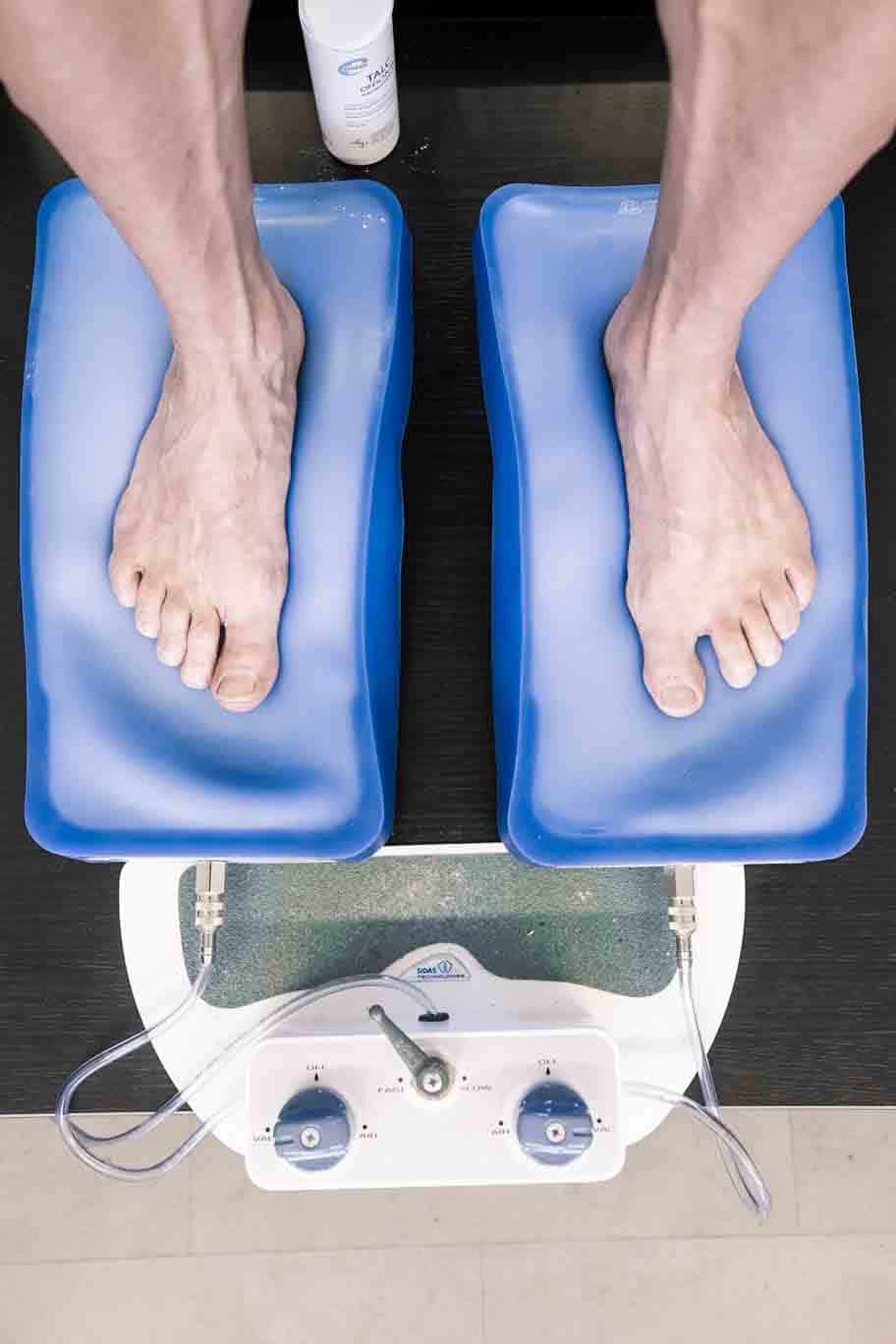
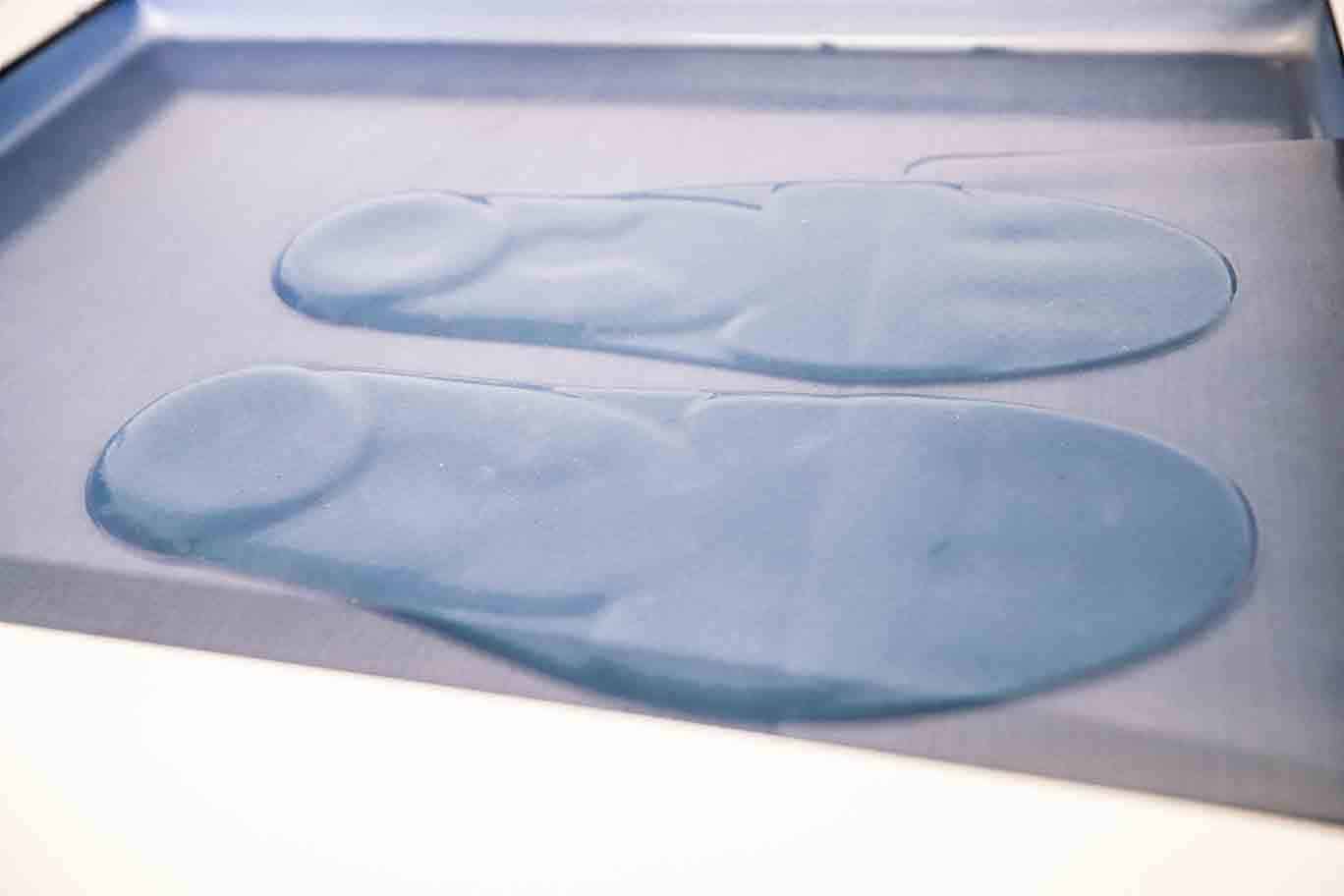
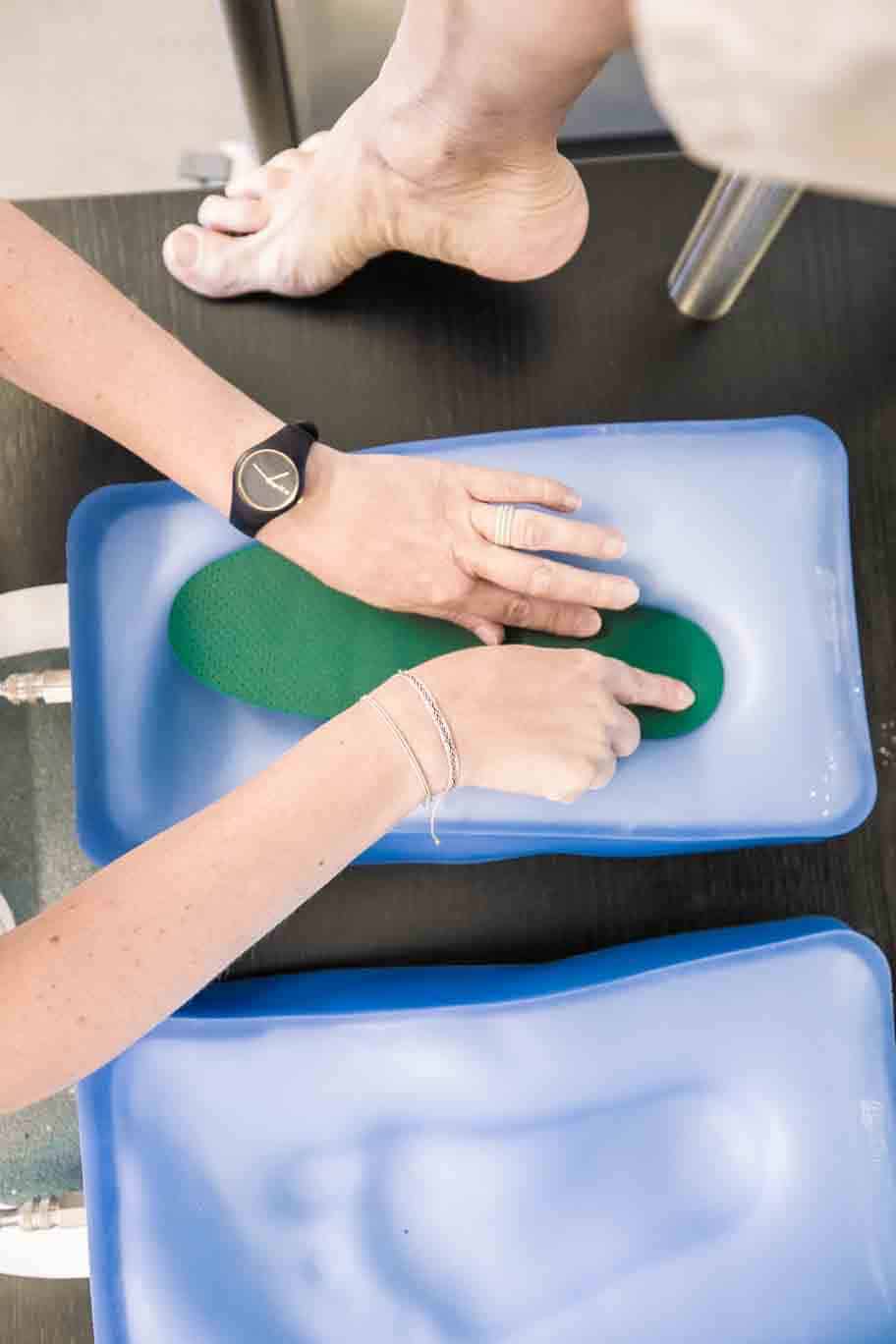
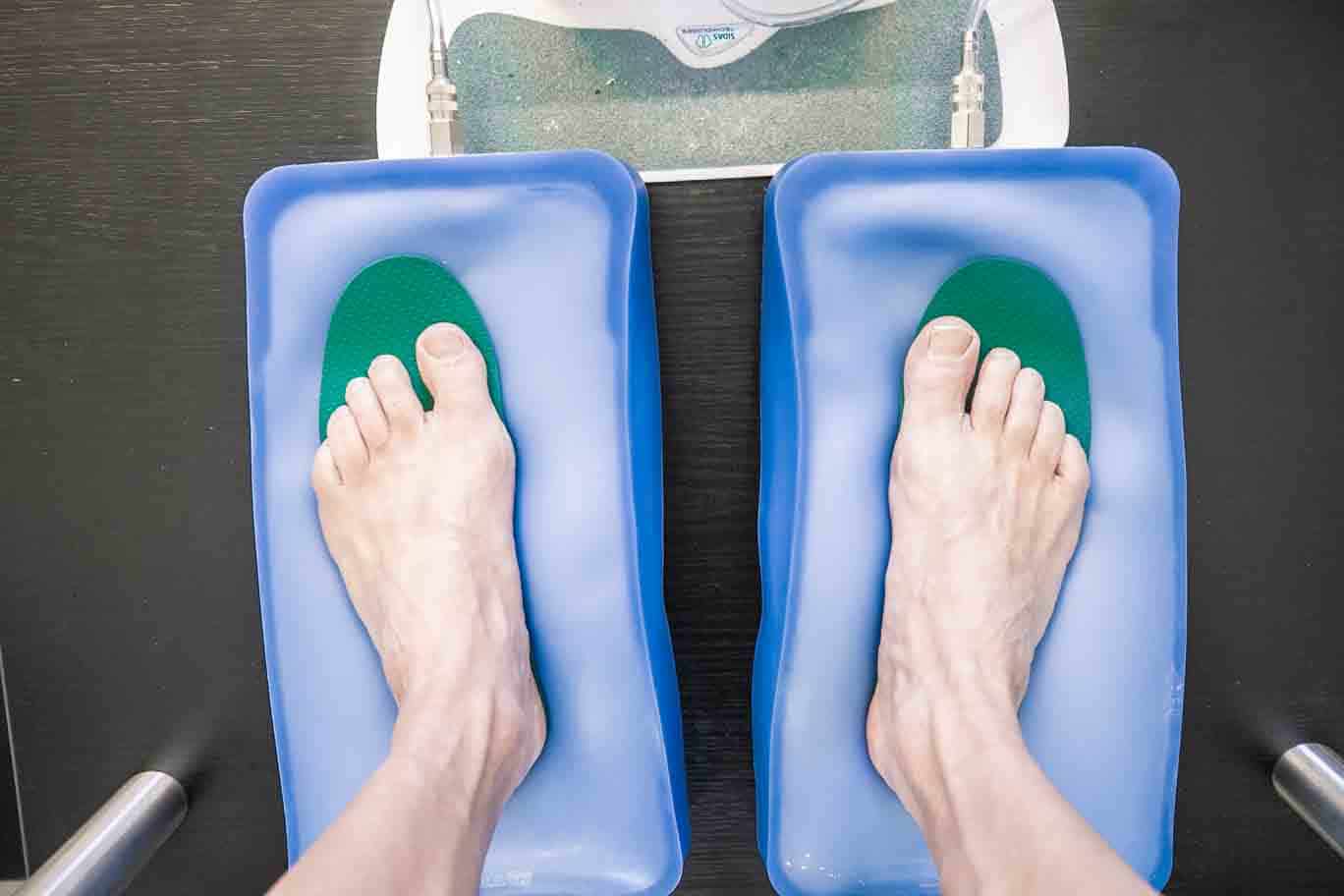
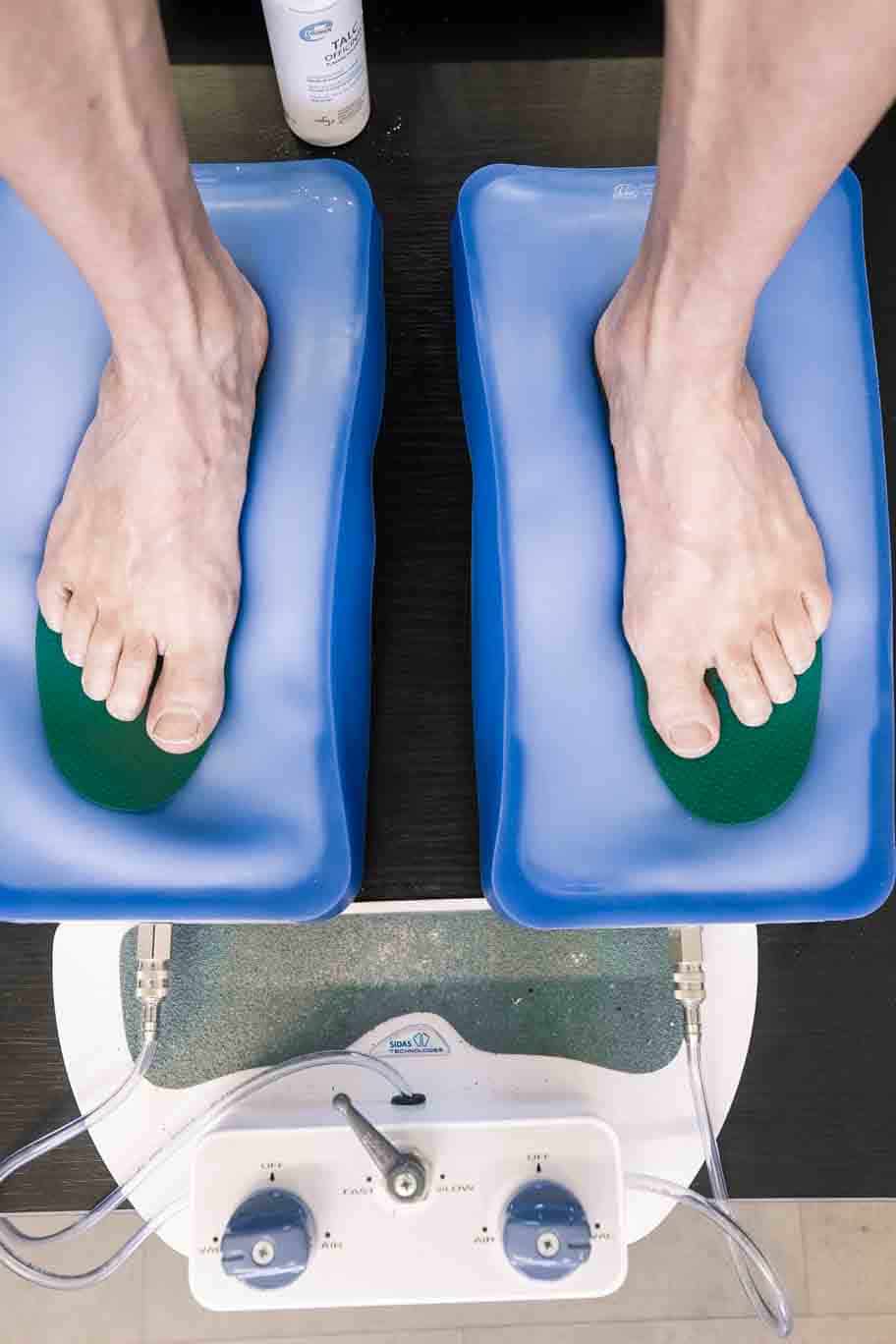
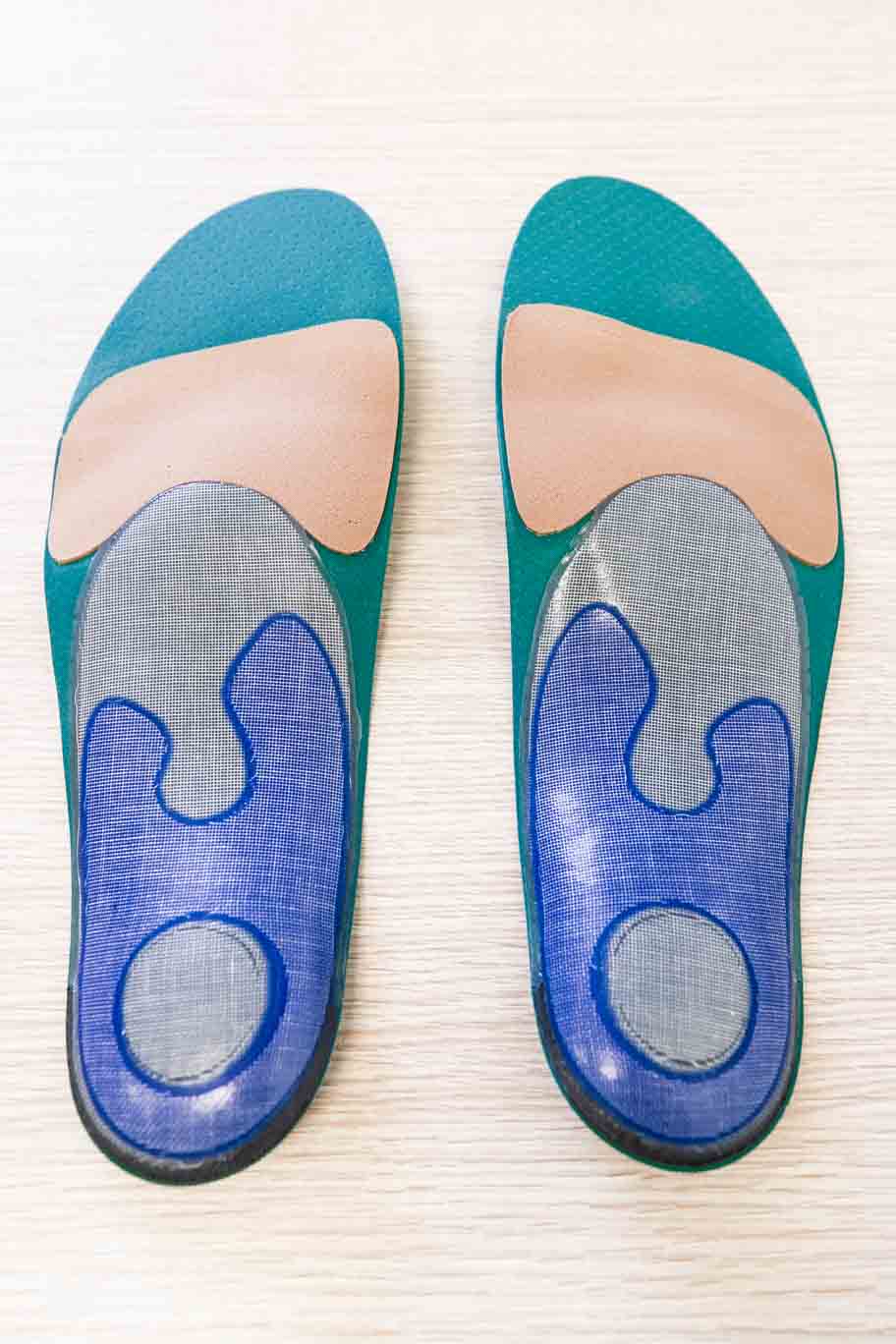
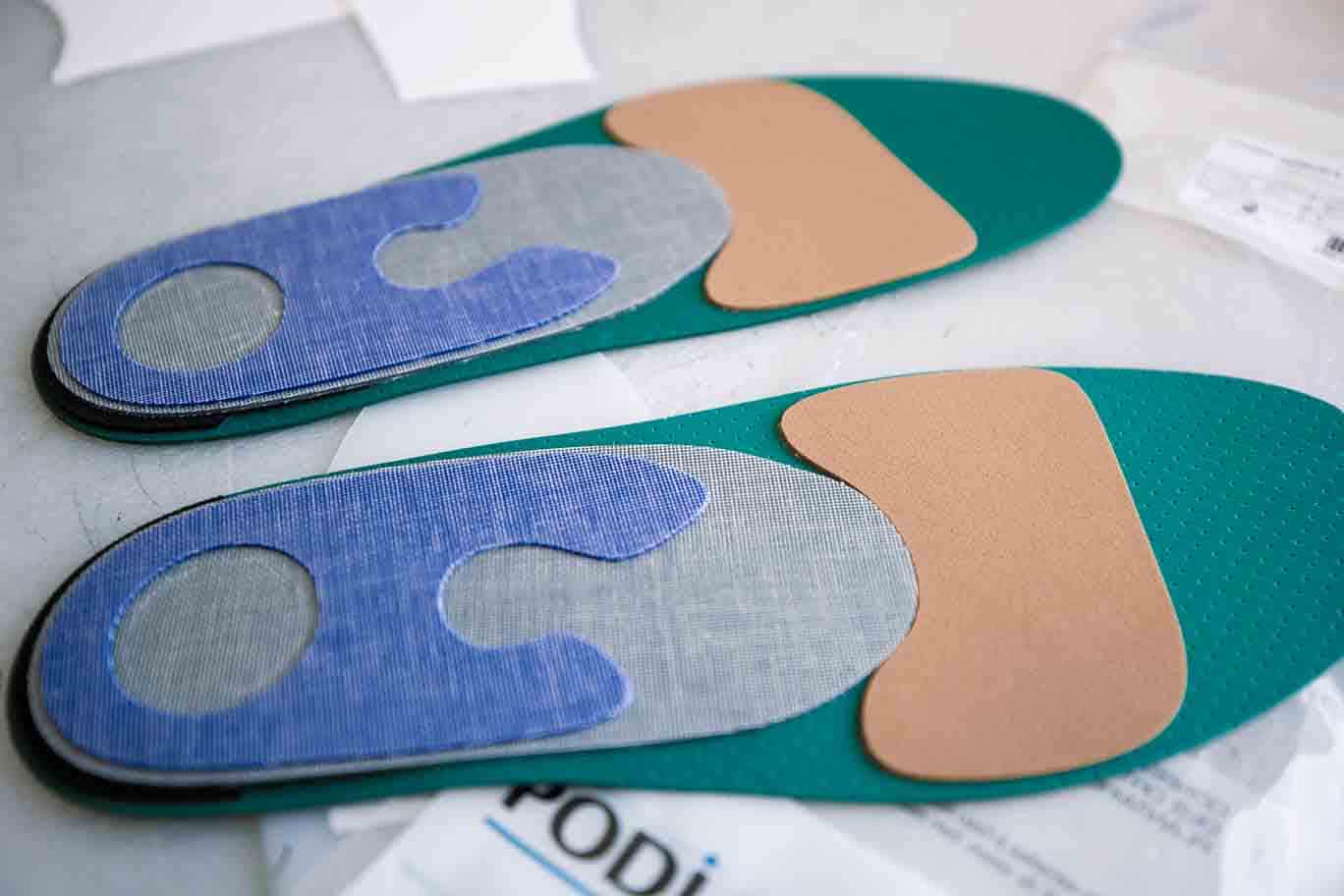
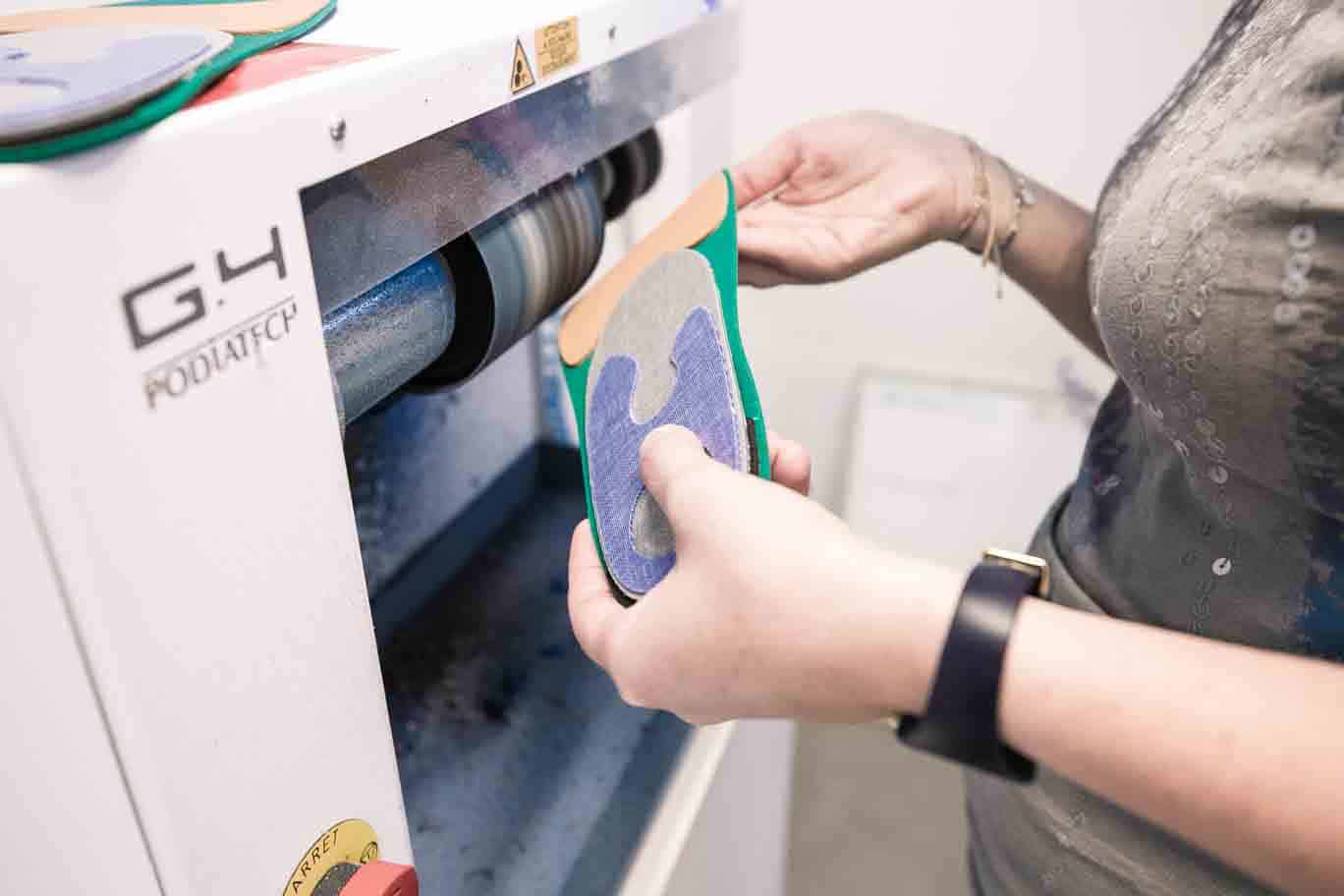
When doing a sport the goal is to keep the articular and muscular chains always working in their comfort zone so you don’t drift towards a pathology. In our case, the examination revealed that the left foot tended to go inward with a sagging ankle. As a result, the foot’s outside support is reduced. After this observation, the footprint is molded and the correction added to the sole. It is preheated and the materials are welded together thanks to the resin present. From a flat sole, we move on to a 3D one with all the different density layers of materials. Then cut to the correct size, sanded down, the sole is then slipped inside the running shoe (obviously you remove the other insole beforehand). You immediately feel that the support has been improved, the articular and muscular chains now have a healthier working base.
FEET ID CARD
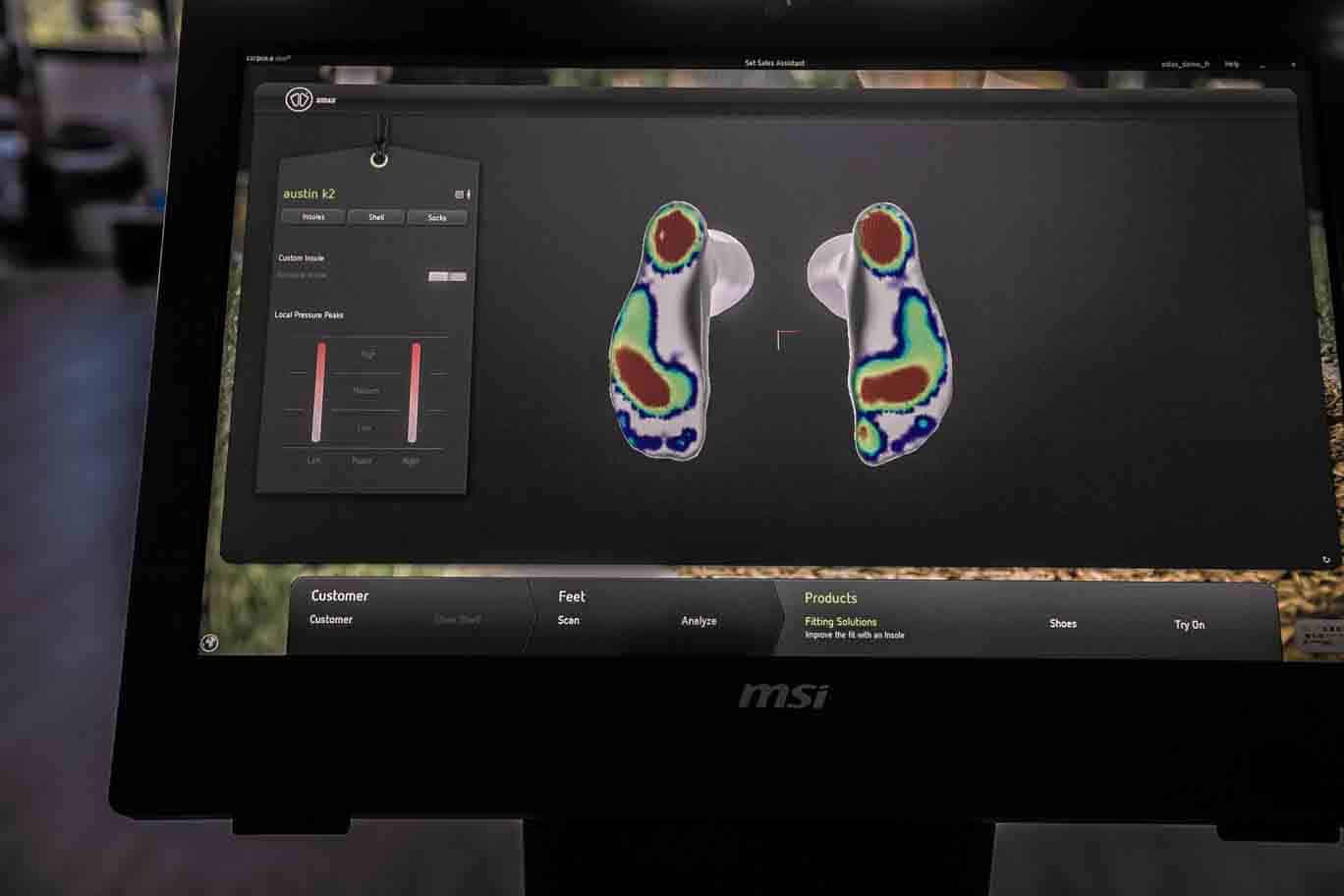
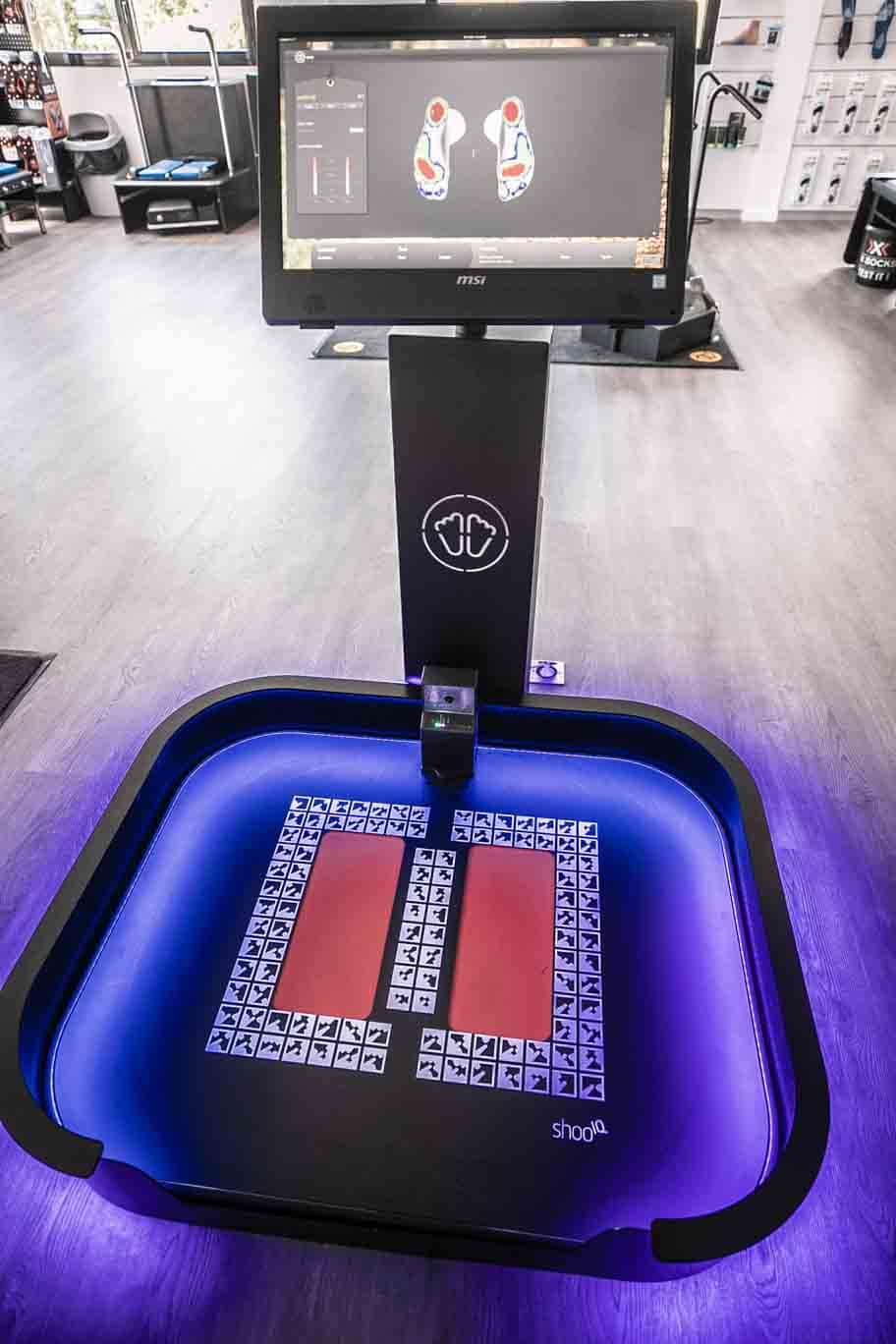
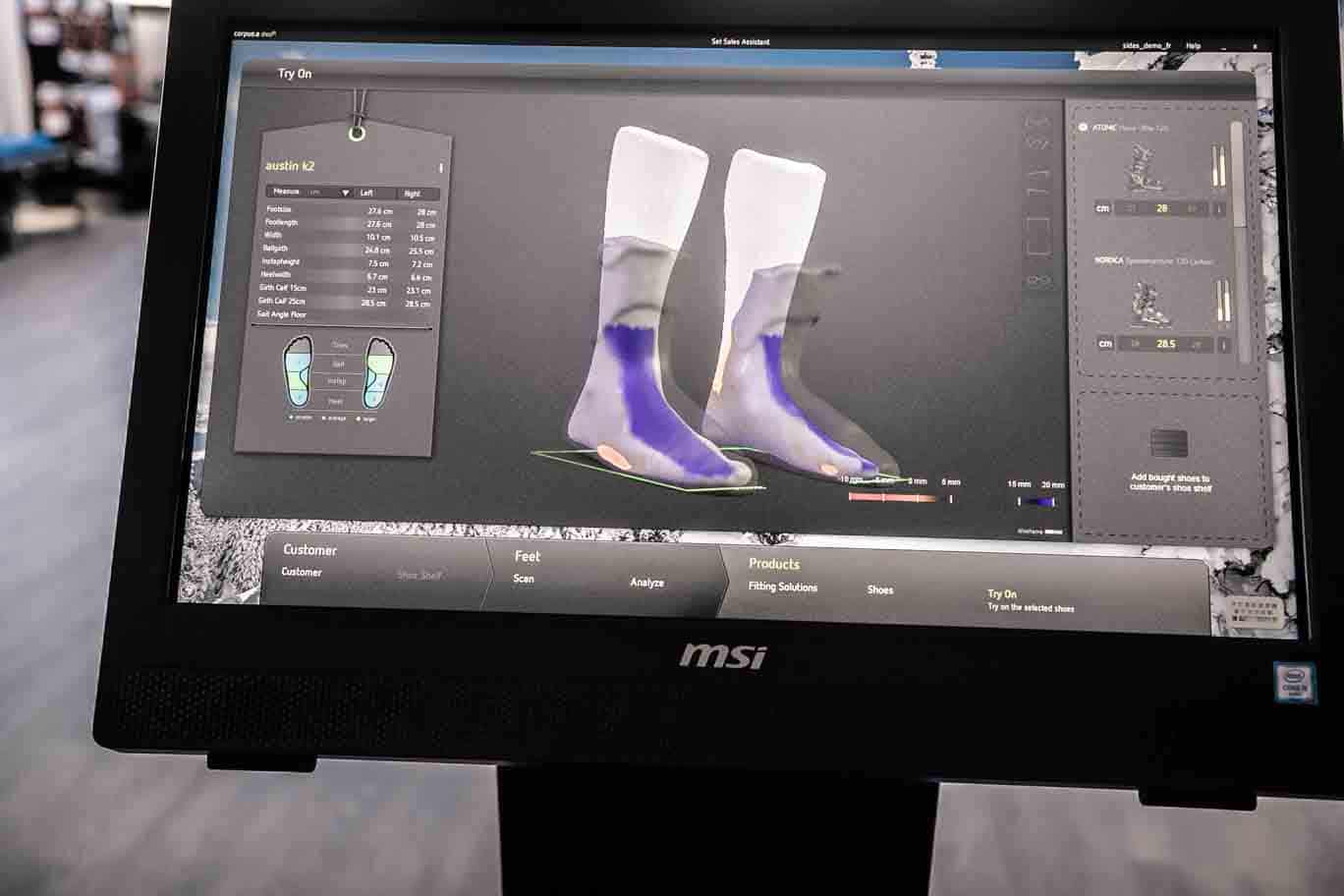
What does SIDAS have in store for us in the future? We have already seen 3D machines appear in stores that strongly support bootfitters’ work – specialists in shoe customization. The Feetbox 3D scans the feet, ankles, calves (up to the knees) and determines the exact length, width, and thickness. The machine links this data to the shoe bank that best matches the client’s body shape. The goal is for each athlete to have their feet identity card in order to purchase the most appropriate product. It is considerable progress in the act of purchasing, which will be carried out less on their aesthetic aspect, or the attractiveness of a particular brand, but rather on the product’s characteristics that must match the foot’s morphology. The contribution of these analysis is natural when you kit yourself out with ski boots: retailers have all these tools. In running there is still a long way for these scanning machines to find their place.
SIDAS, from the ready-to-use product to the customized sole, offers multiple solutions for athletes. The gain in comfort, prevention and performance is crystal clear. Skiers understood this a long time ago. Trail runners are slowly discovering these technical products that can help them in their sport. Because the feet are the base, pivot, our anchor, and our strength. SIDAS is here to take care of it.
Transamericana avec Rickey Gates